
How has the historical relationship between gender and craft fostered the style of 'cute' art and what impact does this have on its place within the spectrum of 'fine art'?
Introduction
Thanks greatly to the rise of the internet, social media platforms and the ability to share work all over the world- craft and hobby culture has entered a new wave of popularity like never seen before. One notable phenomenon arising within this space is the emergence of the 'cute' aesthetic within traditional craft practices- a style that embraces all things cuddly and adorable to pull deeply at our heartstrings.
Within this essay, I aim to understand and explore the correlation between craft culture and cute aesthetics with the emergence of domestic craft and hobby culture from women's work. Carrying this through to the explosion of cute and 'kawaii' aesthetics coming into the internet age. And finally unpack how, through matters of circumstance and culture, 'cute' craft has evolved into a form of escapism, comfort and even rebellion for many makers today.
Looking beneath the trends, I want to showcase how works falling under the nature of 'cute craft' can encompass an immense amount of craftsmanship and care whilst also expressing deeper meaning. I hope to theorise as to why many of the judgements often held towards 'cute' works, such as them being tacky, hollow or immature, are tools of patriarchy which stem from a history which has often excluded women from fine art spaces and used terms such as these as a shield to delegitimise their work, ideas and aesthetic.
Chapter One - Craft Divided
Introduction to craft, craft as a serious art form
Before we get too deep into the buttons, ribbons and glitter, I first want to define what it is that I am referring to as 'craft' throughout this essay. With the Heritage Crafts Association listing over 260 different practices to fall under this umbrella, ranging from armour making to lace work, glass blowing and more… (Crafts 2024), 'Craft' as a spectrum is one which encompasses many different practices of making, of which the objects created exist to serve a domestic function (Tate).
The perception of craft as a movement within art culture really began to arise within Britain during the latter half of the 19th century, recognising skills such as pottery, printing, book binding, architecture and more as serious forms of art, as opposed to just a means to an end as they had been viewed previously (Adams, 1998). Celebrating the skills of craftspeople in a time of industrialisation and recognising the individuality brought to objects made by hand, the movement stemmed from the idea that society needed to change its views on machine production and concentrate more on creating quality products that didn't lose the human touch (Arts and crafts: An introduction · V&A).
Built upon the ideas and innovations of artists, designers and critics such as William Morris and John Ruskin, the 'founding fathers' of arts and craft (Adams, 1998), the movement granted craft the place to be seen seriously for the first time, standing on its own two feet within the art world. But why was it that it took the work of a few men to propel the ethos of this design style into the limelight? The same kind of work, done by women for centuries before, was never seen in this way due to the rejection they faced from the patriarchal system embedded within the fine art sphere.
We start to see here how craft as a practice has been divided between the major and minor arts, due largely to its broad spectrum of practices and their association with class and gender.
In reference to craft, I am going to be focusing particularly on 'hobby' and domestic forms of craft-the kinds which can be done from home without the need for complex or expensive tools and materials- such as knitting, sewing, jewellery making, baking and more.
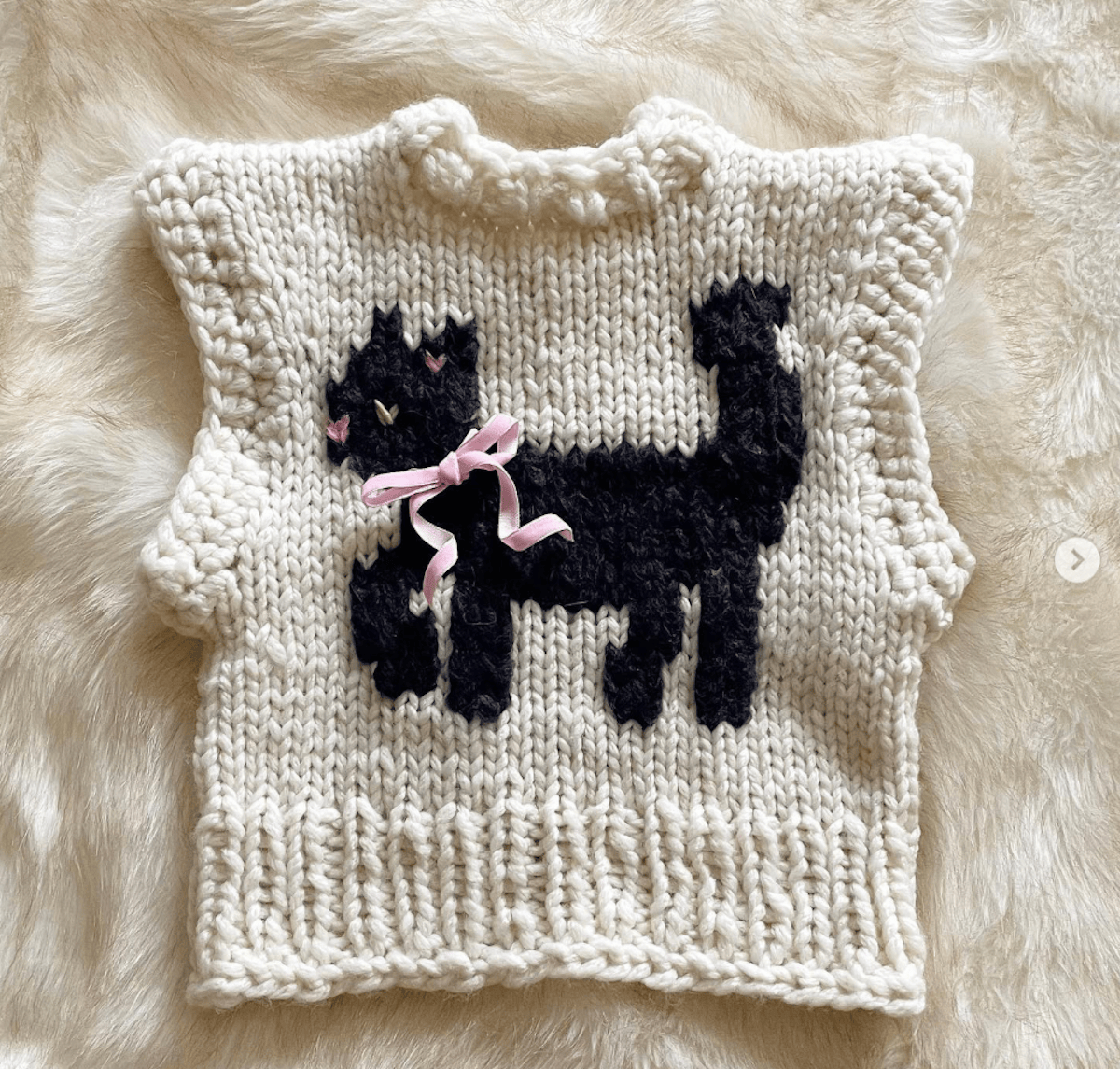
Figure 1. knitted cat vest by Reagan Flora (Flora, 2023)
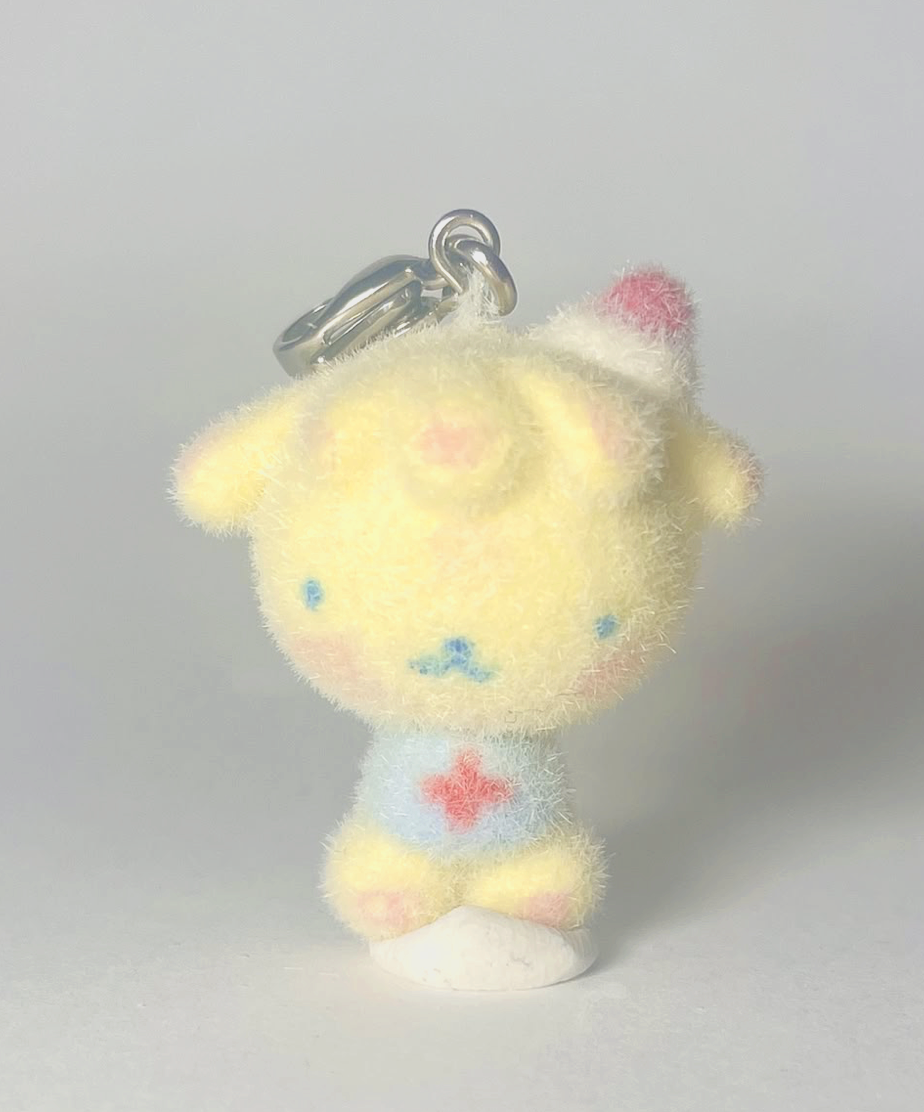
Figure 2. Jewellery charm by HeyMugi (HeyMugi, 2024)
Through exploring these forms of craft, I will discuss their relationship to gender and the effect that has on their overarching undervaluation within the wider spectrum of fine art. To explore all this further, we first need to take a look back at the history of women within the arts in Britain overall…
Women's place within Fine Art
Looking at the most notorious fine artists throughout history, something that becomes very apparent is how dominated the list is by men. With less access to materials, as well as the exclusion of women from art institutions in the past, fine art is a place that for a long time wasn't meant for women (Lamberti, 2022). However, within the history of arts and craft, there are some women who went against this current to persue careers within fine art, setting the foundations for their acceptance within that space in the present day.
One of the earliest examples of a commercially successful female artist in Britain is Esther Inglis (1571-1624) in the Tudor Period, who created over 60 handwritten and embroidered manuscripts throughout her lifetime. Many of which were miniature works of art, some so tiny they could 'be held in the palm of a hand' (Barber et al., 2024). Inglis, along with other women who came before her in the Tudor court, are some of the earliest examples of women allowed to create and sell art in Britain, but all have one thing in common which is that their artworks were all miniatures.
The concept of 'miniature' works of art coming from artists such as Inglis shows how, in a quite literal sense, artwork by women wasn't something to be seen as grand or appreciated in the same way that their male counterparts were at the time. With less access to teaching and resources than male artists of the time, teeny-tiny miniatures seem to reflect a more 'make do' attitude that we can see carry through to women's craft work as we move forward throughout history.
It wasn't until 1860 when, following a petition from painter Emily Mary Osborn (1828-1925) the year prior, women were finally allowed access to the royal academy schools (Tate, 2019). This was just a step in the right direction for women within fine arts, but their recognition and acceptance continued to remain sparse, in a time where the woman's place was mostly thought to be within the home.
Women as caregivers & the role of care within craft
Throughout a lot of history, the woman's place as a worker was seen to be at home. Tasks which, whilst being labour intensive and time consuming, often went by without the reward of pay, instead expected to be carried out more as a 'labour of love', based upon misogynist presumptions of women being 'natural' care givers. Shielded behind the walls of the home these tasks, classed under 'women's work', often go unseen by the outside world (Yeoh & Huang, 2012).
When we look at the types of roles taken on by women within the domestic sense, a lot of them have long been intertwined with a practice of craft. As described by writer Lucy Lippard in her 1978 piece, 'Something from nothing (toward a definition of women's hobby art)', jobs such as 'Patching, turning collars and cuffs, remaking old clothes, changing buttons' can be seen as processes of 'rehabilitation', undertook by women in order to keep their home and family together (Lippard, 1978). Ultimately, the relationship found between women's work and craft culture comes back around to the idea of care, stemming from traditional beliefs that care is something for the woman to provide within the home.
Craft divided
The practice of craft, in all of its broadness, is one which has many divisions between the types of work valued highly as art and those not- with a lot of this disparity stemming from crafts' relation to gender. 'To Craft is woman?' by Sarah Scullin discusses this idea deeper in relation to weaving as a craft done by the women of ancient Greece and the values it still has instilled within craft culture today, stating 'good female crafting is good insofar as it ensures the comfort and nutriment of those in her domain, bad crafting is frivolous or worse' (Scullin, 2019). When we look at the role craft held in the context of women's work, craft done by women has always been valued more in its capacity to care, rather than the skill of its craft.
The 'rehabilitation' crafts discussed by Lippard are a true testament to this; looking at these jobs under the context of a more established role, such as tailoring, they are instead held to a high level of 'craftsmanship' and given more value within society as a real 'job'. But here in the home, where the woman resides, they are viewed as an expectation- carried out purely as a display of love of their family.
Within examples such as these, the division between crafts and the degree of artistry they are held to start to make a bit more sense. Prior to its popularisation as a movement by figure heads such as William Morris, a lot reasons as to why craft wasn't taken seriously can be boiled down to its relationship to women's work and the types of craft associated with that. The domestic function that a lot of crafted objects held, as well as the at-home skills a lot of women practiced when making them, contributed greatly to why craft wasn't valued as real art (Tate).
Craft made at home, for the home and on a minimal budget wasn't offered the same luxuries of existing purely for viewing pleasure the same way that 'major arts' such as painting were. Polka dot buttons, lacey ribbon embellishments, baby doll designs and scraps of teddy bear fabric were simply not 'art' and this is a notion that can be seen to be carried on further as domestic craft evolved from necessity to hobby culture as time went on…
The emergence of craft as hobby culture
Within her aforementioned piece, 'Something from nothing', Lucy Lippard explores women's craft and hobby culture and its struggle to find footing within the world of fine art as it evolved from house wifely duties into a more casual pastime (Lippard, 1978). She discusses how, as we entered an era that allowed women more leisure and spare time, an increase of craft hobbies began to emerge. It is important to note here how, much like the miniaturist female artists of the Tudor period, the emergence of this 'do it yourself' (DIY) hobby culture was one which was often done on a small scale and with tight budgets, something which is represented well within the title of the piece.
Many of the craft projects discussed here began in the home, and in a lot of ways were made to stay there; 'The gifte shoppe, the country or crafts fair and the outdoor art show circuit' (Lippard, 1978), notes Lippard, places where craftswomen were able to showcase and sell their work, typically to other home makers, as opposed to galleries or fine art exhibitions.
The culture of craft described in this piece acknowledges the mistreatment and patronisation faced by craftswomen within the wider spectrum of art, however it doesn't devalue or put down places such as markets and fairs, instead choosing to highlight them for allowing the everyday craftswomen a space to share and sell her work when other places would not. These ideas are also really representative of the strong sense of community found within craft hobby culture, a true testament to an ethos driven by care, with the way individuals can band together to uplift each other's work and make everyone feel valid and included in something bigger.
Chapter Two - The kitsch, the crappy and the cute
Defining 'cute'
'Cute', a word which you might hear echoing the walls of every craft fair you could ever step into. A compliment for some, condescending for others but definitely a word that is worlds away from the 'beautiful', 'grandiose' or 'breath-taking' you might otherwise use when looking at a work of fine art. What exactly do we mean when we think of something as cute?
Whilst it wasn't exactly described using the word 'cute' at first, the emotional response and idea of sentimentality has existed throughout history among many different cultures. The use of the word within the English language can be traced back to around the 1850s with ties to women, children and the domestic sphere. Evolving from the word 'acute', it set out to offer a new perspective on things which were childish yet charming (Dale et al., 2024).
Cute as an effect was first outlined by ethologist Konrad Lorenz in 1943 as a set of properties - a concept he called 'Kindchenschema'- such as large heads in proportion to their body, doe eyes, big cheeks and more… all found within young children and animals that ignite our 'involuntary desire to nurture' (Dale et al., 2017). It can best be defined as a feeling and response we might have towards something, which holds certain charming attributes but not necessarily something that can be put into words. 'Cute' is a concept which exists upon a sliding scale, where some people might find cute within certain things that others might not; cute is also something which changes much like fashion or beauty trends, where certain styles, animals or objects become more or less popular for their 'cuteness' at different points in time.
The relationship between cute and craft
With a rise in publications focused on needlework in the 19th century through to the 20th, such as 'Family Friend and Weldon's Practical Needlework', textile craft hobbies became easier to access and learn from home than ever before (Victoria and Albert Museum). Transitioning into the early 1930's, trends involving cuteness can be seen starting to emerge with publications, such as this November 1932 edition of 'Stitchcraft magazine' (Figure 3), featuring motifs of ribbons, flowers and even sweet baby ducks, marking the humble beginnings of 'cute' as a popular aesthetic within the world of craft and DIY culture today.
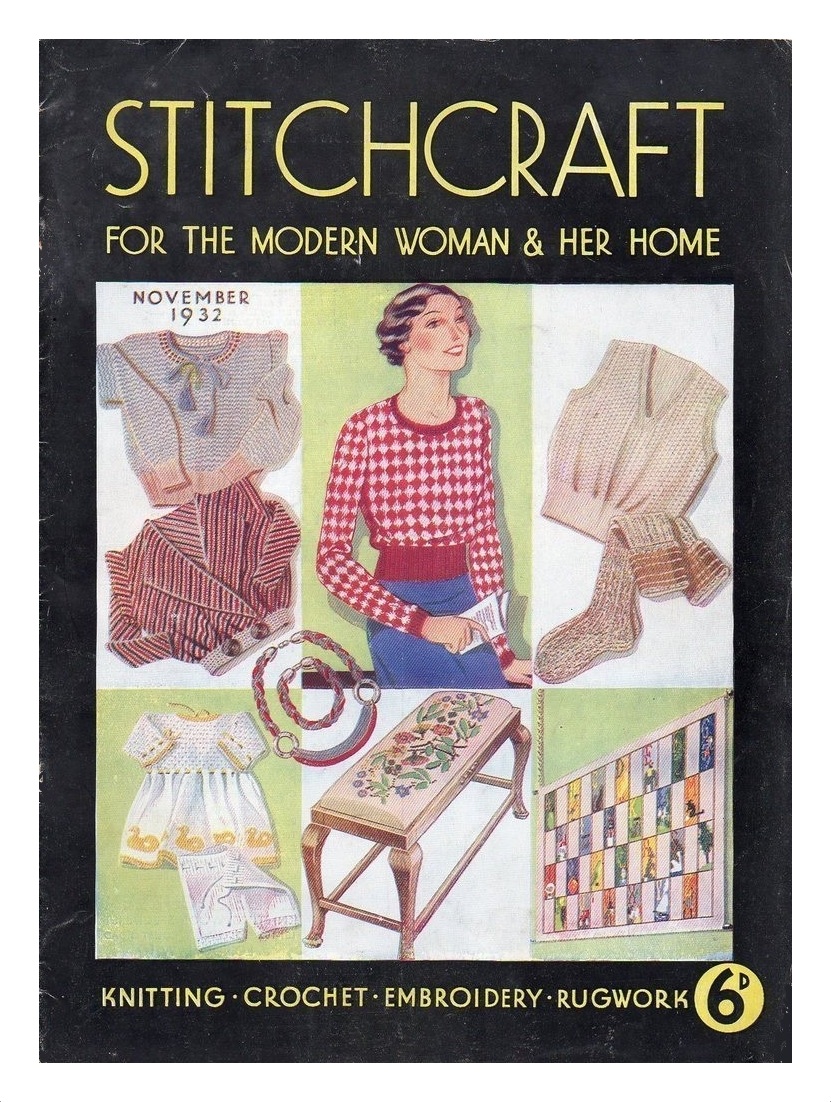
Figure 3. Cover for Stitchcraft Magazine, November 1932 edition (knitting & crochet guild, 2014)
Something else we can observe about the popularisation of cute aesthetics in tangency with a spread in teaching material for craft is that cute styles often offer simpler and easier to replicate designs which can better appeal to the beginner crafter. Moving into the 1940's handknitting continued to gain popularity within wartime Britain, with a new wave of women learning to knit to aid the efforts of the war (Victoria and Albert Museum). And further, in a post war Britain, we can once again see expressions of cute emerging within hobby textile crafts made for children such as these animal designs seen on the cover for the 'kindergarten knitteds' edition of Stitchcraft from around 1950.
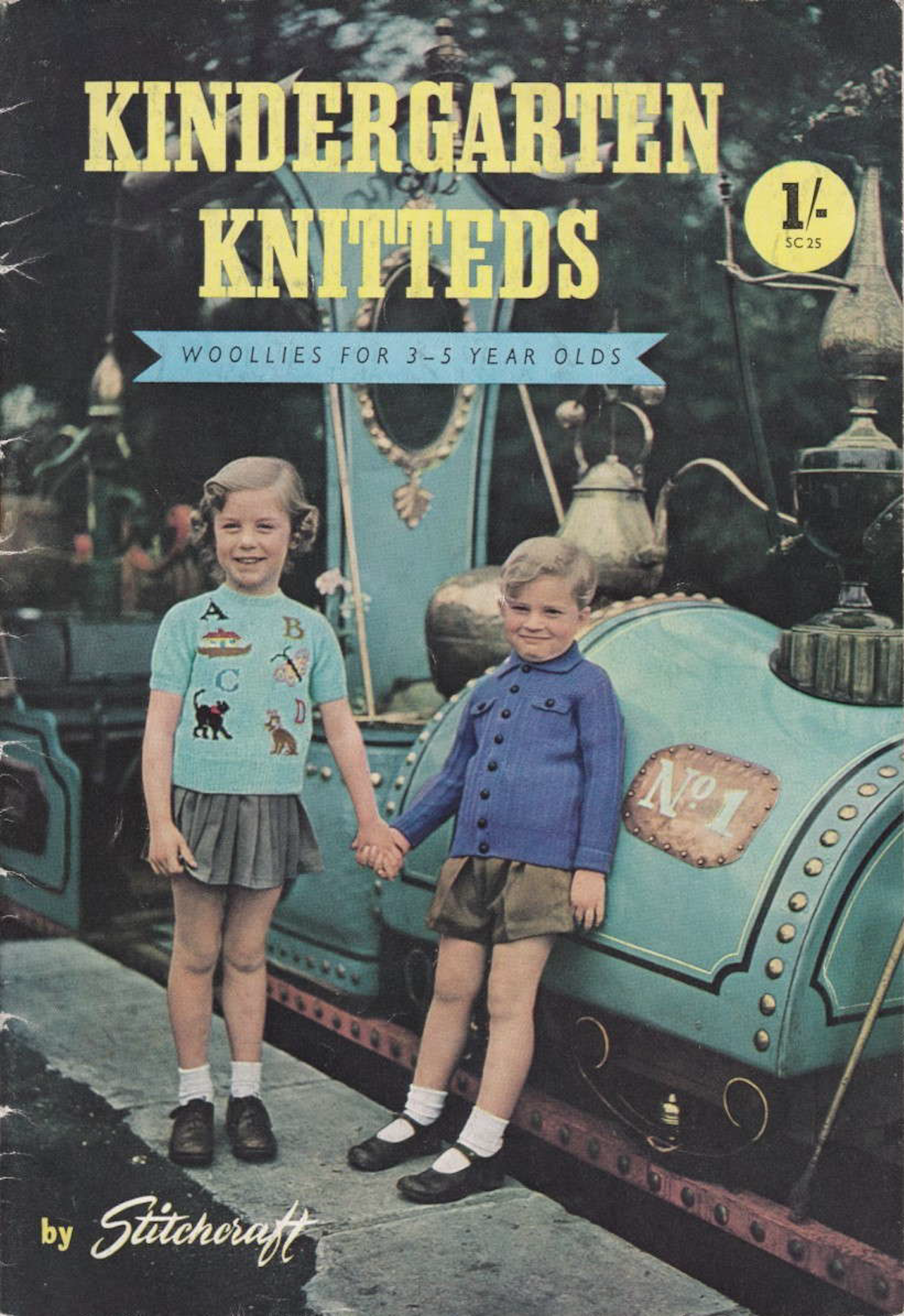
Figure 4. Cover for Kindergarten Knitteds (Knitting & Crochet Guild, 2024)
In some ways, it's the relaxed and leisurely nature of women's craft culture that allowed for elements which were fun, cute and creative to slip through. With a past that often rejected them from spaces of 'fine art', the labours once held to them to upkeep the family and home were able to transform into outlets for creative expression and comfort with the help of fun and sweet aesthetics.
As put by Lippard, women were able to 'make holy art in a relaxed manner, isolated from the 'real' world of commerce and the pressures of professional aestheticism' (Lippard, 1978). Here, the walls of the home which once acted as a barrier from the outside world, could now simultaneously offer a space to foster cute aesthetics. Being brushed off from being classed as 'fine art', and free from the pressures of creating work intended to be grand, famous or profitable, they were instead able to explore ways of expression within art that allow for the spread of joy and indulge in the aesthetics they truly love, which is a notion still held within cute craft culture today.
Into the digital age
One of the biggest influences on the style of cute aesthetics we see in the west today stems from Japan and its cultural phenomena of 'kawaii'. This word, similar to 'cute', has a broad range of meanings in which it encompasses anything 'adorable' to 'sweet', 'precious' and 'pretty' or even things that are small (Ashcraft, 2021). The aesthetic has risen in popularity and saw a big boom during the 1970s, providing a different way in which to express femininity and offering an escape from traditional ideals and housewifely responsibilities (O'Flaherty).
Cuteness for many people 'enables us to enjoy a certain fantasy of ourselves' (Dale et al., 2024) and it is within this fantasy that enjoyers of cute can find comfort from a society that has often made them feel excluded. Cute aesthetics act in a way that is so opposing from the everyday world, an 'escape from normality' (O'Flaherty), which when explored within craft, allows for us to rebel against a long history that has only favoured certain styles of art made by a chosen group of individuals.
Charging through to the age of the internet- on its big fluffy paws-the explosion of 'cute' as an aesthetic gained popularity like never seen before, beginning its 'supercharged trajectory to world domination' (Dale et al., 2024). Now, what was once just ideas in magazines and pattern books, available in your local area, could be shared to crafters everywhere through tutorial videos, social media and digital archives. Not to mention, people from all corners of the craft community were now able to connect with one another, allowing craft to escape the bounds of the home or local hobby groups and work with people all over the world to share and create.
'Kawaii' brands such as Sanrio (Sanrio), anime and manga; and miniature DIY kits made their way from Japan to the west in a way that allowed cute culture to gain more popularity than ever before, and with that came a new wave of 'cute' crafters sharing their work to keep up with the lovable characters trending at the time.
Modern day miniatures
There is something about small things which inherently gives off a fuzzy feeling; following Lorenz' rules for 'Kindchenschema' we can take even the most random or mundane of everyday objects and turn them into something cute by playing with their scale and proportions. Oftentimes beauty is found within the complexities of a piece of art and by shrinking it down to a smaller size we lose many of these fine details. Within 'cute' styles, however, the simplification of a design is often what makes it so lovable and enjoyable to look at. Features which might otherwise get lost are translated, reshaped and softened to express the same feelings of the full-sized work in an every so adorable way.
In 2005, Japanese confectionary company Kracie launched its first product in its new 'Popin' Cookin' line, 'tanoshii cakes'. A DIY craft kit which allowed children to create their very own miniature sweets using various powders added to water and 'pretend to be pastry chefs' (Popin'Cookin).
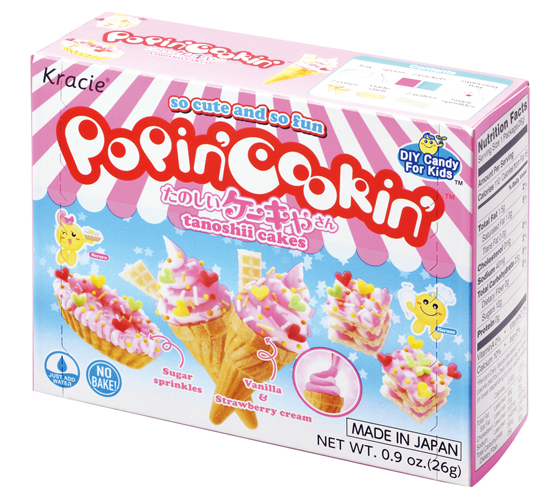
Figure 5. Popin'Cookin' Tanoshii Cakes (Kracie)
'Popin Cookin', alongside other miniature toy kits, such as Re-Ment's miniature series, were popularised online around the 2010s. Most notable for causing the spread is YouTuber 'RRCherrypie' whose videos demonstrating these kits have garnered hundreds of millions of views to this day (RRcherrypie, 2011).
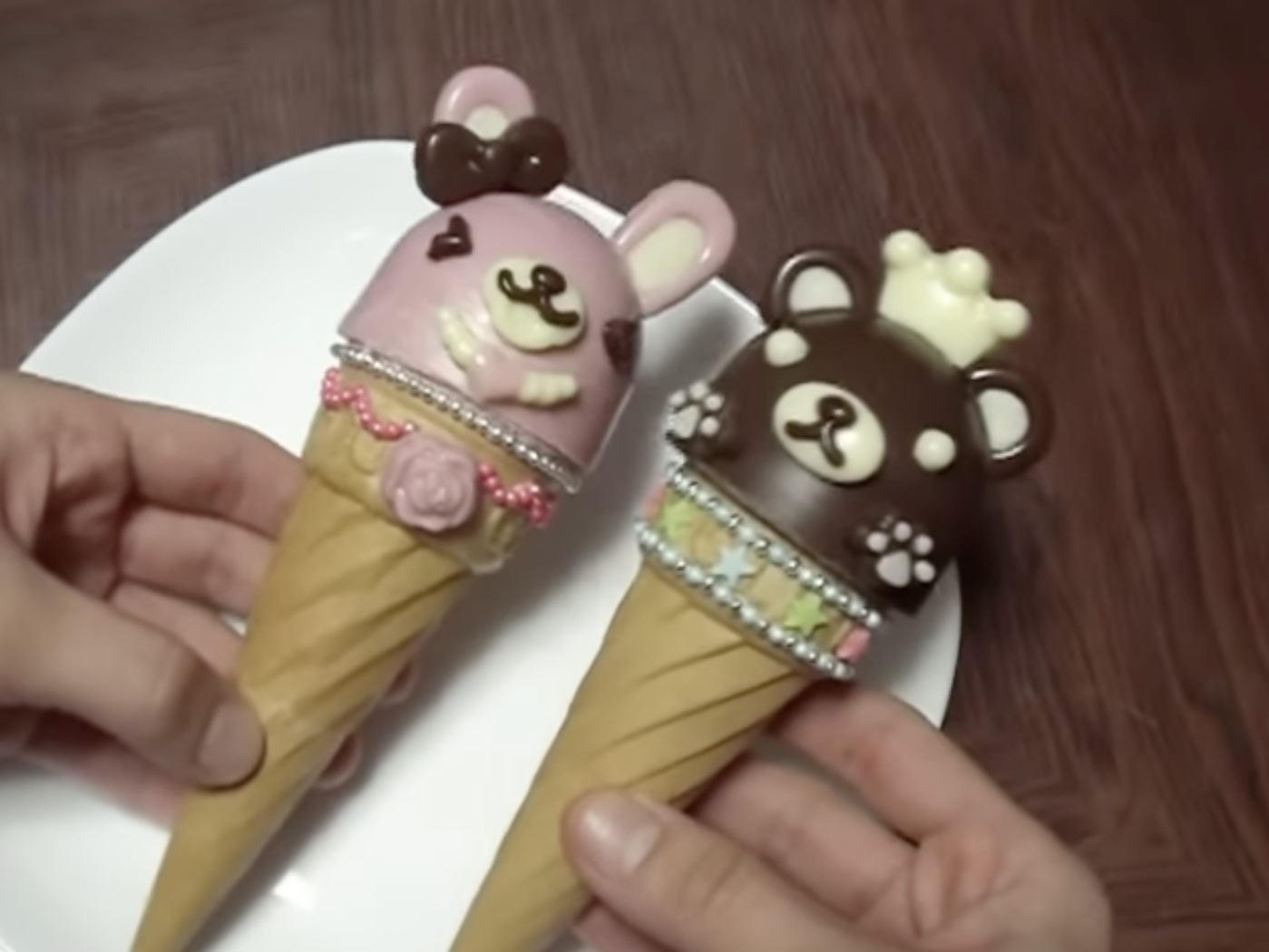
Figure 6. still from RRCherrypie's video 'カプリコを装飾 Decorating Caplico Candy' (RRCherrypie, 2011)
Within this landscape, and with such products encouraging play and creativity, crafters began to build off these kits and create their own miniature food items from home using polymer clay, resin and silicone. One such phenomena to come out of this era is 'decoden'- a mashup of the words 'decorate' and 'denwa', meaning phone in Japanese (Sato, 2023)- in which crafters create complex decorated items by piping silicone replica icing and adding to it a multitude of sweet little charms and cabochons.
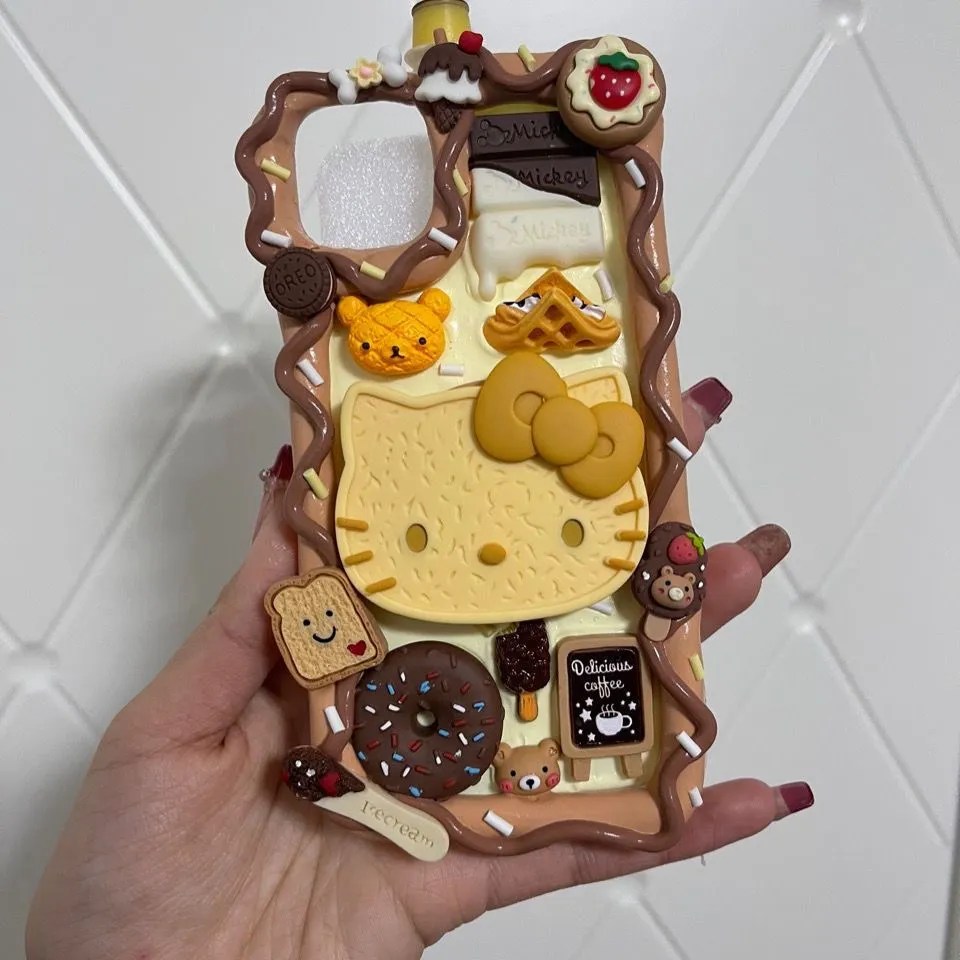
Figure 7. 'Hello Kitty' decoden phone case (Cheror, 2025)
Playing off traditional roles of cooking and baking with many of these charms being miniature renditions of pastries and sweets and- of course- the 'icing' piped onto it in the same manner you would a real cake, decoden reclaims the roles historically viewed as the work of women and embraces them fully in a new hyper 'girly' fashion. Allowing women to embrace the things that may have made them feel oppressed and lesser in their lives in a way that is completely owned by them. The roles pushed onto them by society are now able to become outlets for creative expression and self-love, claimed back from the patriarchal system.
The magic of decoden is how unapologetically maximalist it can often be. It is everything fine art and design tries not to do- over the top, seemingly random and almost tacky? But decoden as a craft is one in which its creators put incredible amounts of time and effort into developing, personalising the most intimate details within the objects they own in pursuit of maximising the cuteness in their lives.
These beads and cabochons which to one person might seem random have- in fact- been planned and meticulously placed by their maker, combining colours and patterns to create the overall aesthetic they are aiming for and there is a lot of beauty to be admired within that.
As described by Mia Sato in her piece 'The delightful excesses of smartphone maximalism' the decoden phone case isn't something you would necessarily choose for practical reasons. But instead to have something 'one-off and unique' stating 'You might hate my rabbit-strawberry-glitter-frosting case, but you cannot buy one for yourself even if you wanted to' (Sato, 2023). The bespoke nature of DIY craft culture is one which allows the maker to truly create something personal and important to them, straying away from historic beliefs of women being submissive and lesser, it allows each person to have agency and choice over the style they like.
Customisation
Subcultures within craft, such as decoden, demonstrate the immense ways craft can be used as a tool for customisation and self-expression. It is a character which again aligns really well with 'cute', allowing us to bring joy to otherwise mundane and boring items in our everyday life and create more personal, warm and fuzzy ways to express ourselves.
With customisation often acting as a gateway into craft- finding for ways to make our homes and possessions feel truer to who we are inside- the tools and materials at our disposal when starting out as a craftsperson can be pretty limited. Much like how Lippard describes the 'something from nothing' method of making seen in the housewives of the 70's, customisation acts as a way for people to make the mundane a bit more beautiful without needing to dip their toes in too deep.
By having limits on the materials and tools at our disposal, often making things from home, greater levels of creativity are required to achieve a look which is satisfying to the crafter. Cute as an aesthetic is one which, due to its at times simple nature and accessibility to beginners, can act as the golden ticket for the 'trash to treasure' lifestyle.
Chapter 3 - The power of cute
Seriously cute // cute as serious
In 2024 Somerset house opened doors to 'CUTE', the first major exhibition that aimed to bring together contemporary works exploring the phenomena of cute, ranging anywhere from traditional arts such as painting all the way to plush toys and fashion. In doing so, they aimed to challenge the way we look at cute and 'unravel cuteness' emotive charge, revealing its extraordinary and complex power and potential' (Cute 2024).
For a landscape of fine art that has long rejected the soft embrace of cute, this show was able to act as an important start to viewing cute in a more refined light, especially in such a major gallery which would attract lots of members of the public to see cute in a new way. Offering us a look beyond the big sparkly eyes to explore what cute can mean to people and how it can be used as a powerful tool to do greater things within the wider world.
Adorable activism
Known today as the face of Japanese mayo brand 'Kewpie' (Tomczak, 2022), the 'Kewpie baby' is the epitome of adorable. With chubby cheeks, big eyes and cheeky little smile, these babies are a true testament to Lorenz' definition of 'Kindchenschema'. But before all this, at their very root, kewpie babies were used as a tool for activism by American illustrator Rose O'Neill.
Created in 1909 for a comic featured within the 'Ladies' Home Journal', the kewpies immediately became popular amongst readers, and later, in 1912, porcelain dolls of the babies started being produced with O'Neil working closely with the manufacturers to craft the first dolls and demonstrate how they should be painted (Solomon, 2018).
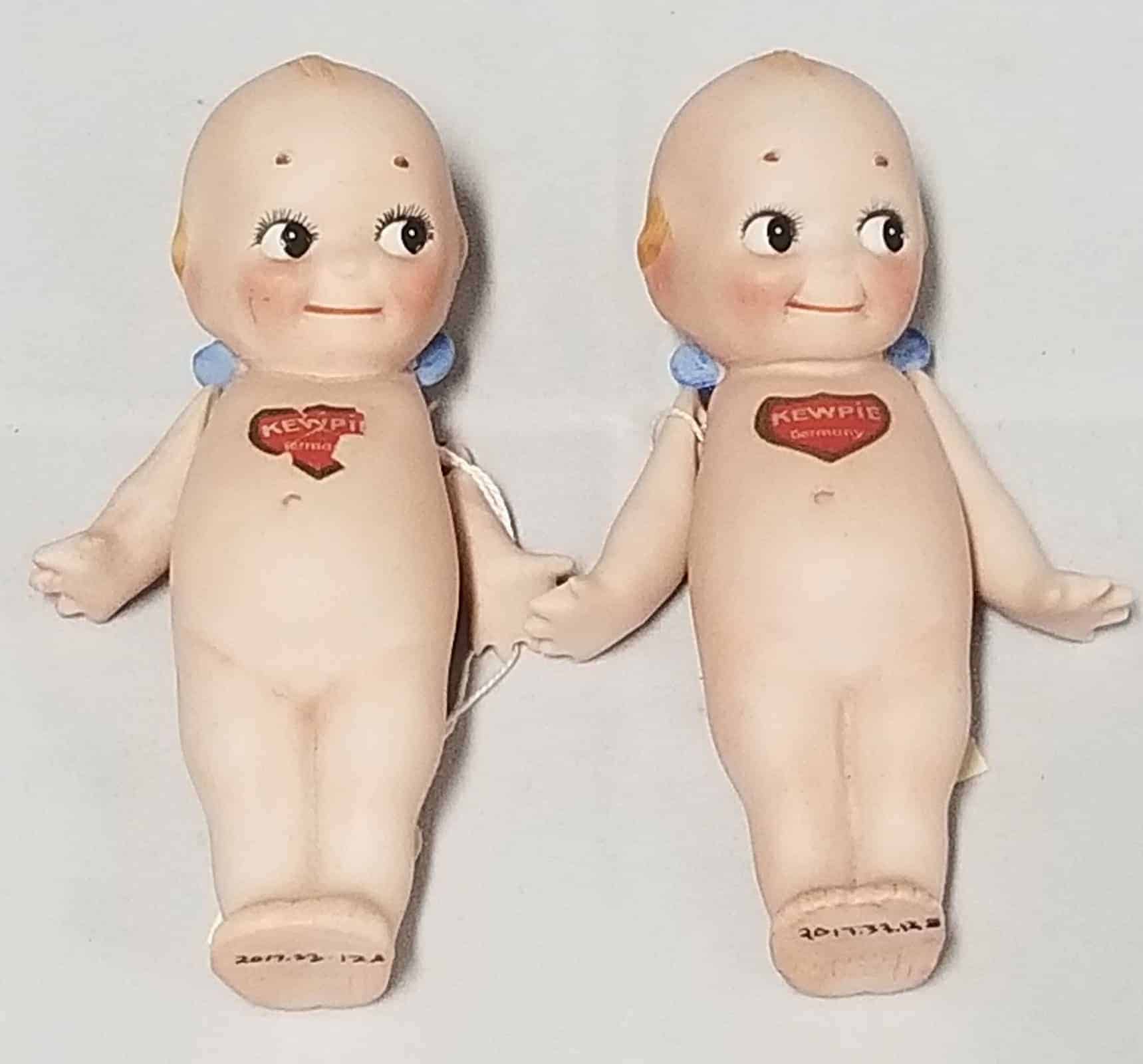
Figure 8. Kewpie baby dolls from around 1920 (Thunder Bay Museum)
In this illustration shown in figure 9, the babies can be seen marching as a band, carrying a flag reading 'votes for women'. Though an old example, it is one which demonstrates the powerful potential within cute as a tool for change and activism. Often, within the space of activist design, there feels a need to be bold, loud and forceful to get a point across yet here O'Neil allows the soft and playful essence of cute to come out in its fullest, utilising its childlike and silly nature to pull at our heartstrings. In this middle ground between hyper cute and serious messaging we get a piece of activism that is both charming and memorable and one which manages to make a statement far larger than you ever would have imagined from these tiny little cherubs.
As put by Claire Catterall in Somerset House's 'Cute Cat-aogue', 'Cute's power lies in its ability not only to challenge the norm, but to transform it' (Dale et al., 2024) which is reflected in pieces such as this one from O'Neil where cute has been used in an unexpected way to catch the reader's attention and gain their interest in her cause.
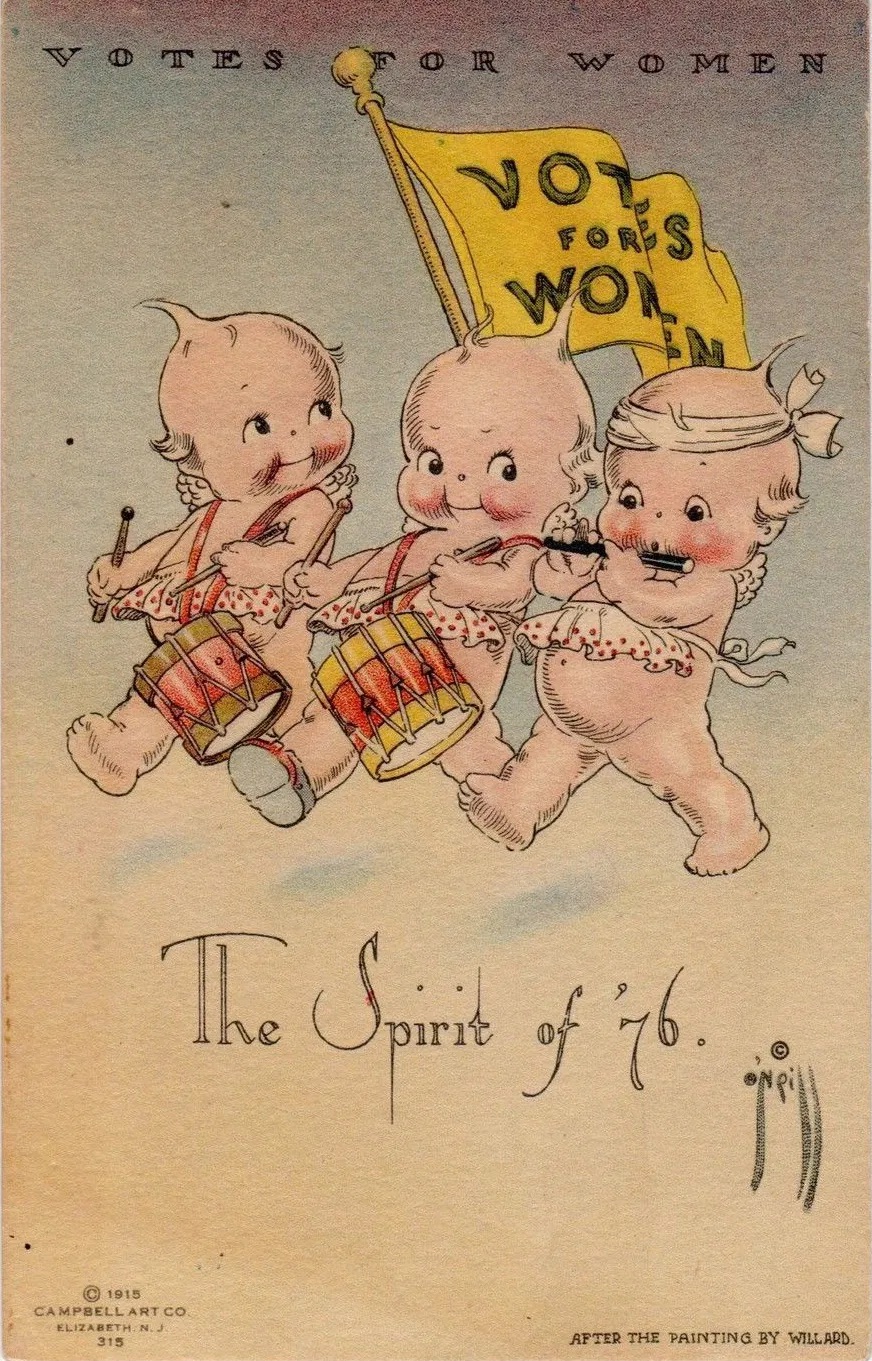
Figure 9. Rose O'Neil's illustration of the Kewpie babies marching for 'votes for women'. (Solomon, 2018)
Today, we can still see the influence that kewpies have on cute aesthetics, particularly with, the newly popular, 'Sonny Angel' figurines. Designed by artist Toru Soeya in 2004, Sonny's were created as a pocket-sized friend to bring comfort and ease stress among young female workers in Japan. Now, sold as 'blind boxes'- boxed or bagged products containing a randomly distributed version of the item (Tse, 2023)- Sonny Angels have become a huge trend on social media platforms such as TikTok and Instagram, leading to a rise in sales worldwide (Abad-Santos, 2024).
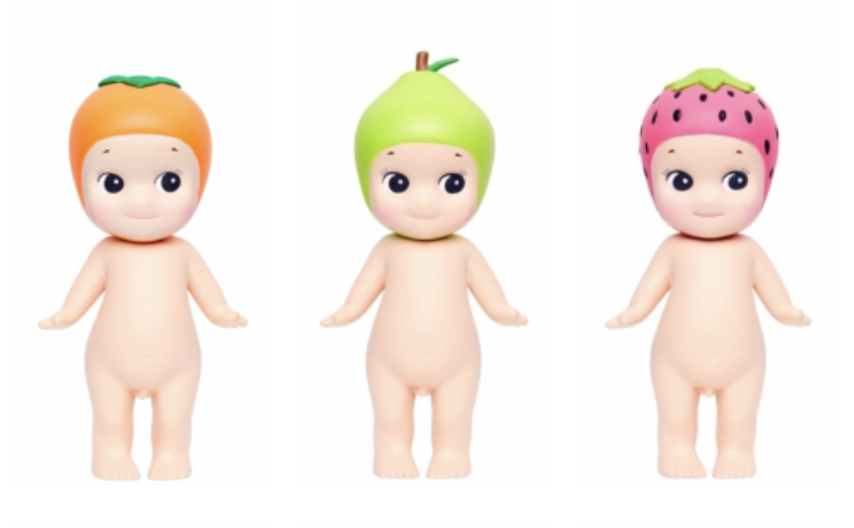
Figure 10. Sonny Angel Fruit Series (Sonny Angel, 2019)
It seems that Sonny Angels have strayed a long way from the political little kewpie babies that O'Neil created, with their popularity as a collector's item helping them to grow massively within the mainstream art world. It is interesting to note here how again it took the work of a man, recreating almost the same design as the Kewpies, to reach this level of popularity- and in some ways, it feels that a lot of O'Neil's original message has been overshadowed by these more consumerist, plastic successors.
Treading delicately with these big fluffy paws
Cute has come a long way, from the works of artists such as O'Neil, and risen in popularity over the years from something once seen as 'childish and inconsequential' to now being regarded as 'one of the most influential and powerful forces in contemporary culture' (Dale et al., 2024).
However, there are still many negative views towards certain aspects of the culture and a lot of this can draw back to the materiality that a lot of cute things tend to take on. Many brands who fall under the style of 'cute' create products with an awful lot of plastic and cheap production methods, which isn't so cute… And in this we can see how as powerful as cute can be for good it can just as easily be a force of destruction and waste. 'Squishmallows', the soft and round cuddly toy that went viral during 2020, are a perfect example of this. Being made from polyester and spandex, Squishmallows are non-biodegradable and with production and transportation methods that continue to eat away at our planet's resources (Kriss, 2023). With knowledge like this, it makes it hard to look at their adorable little faces and not hate the craze that cute has become within our society today.
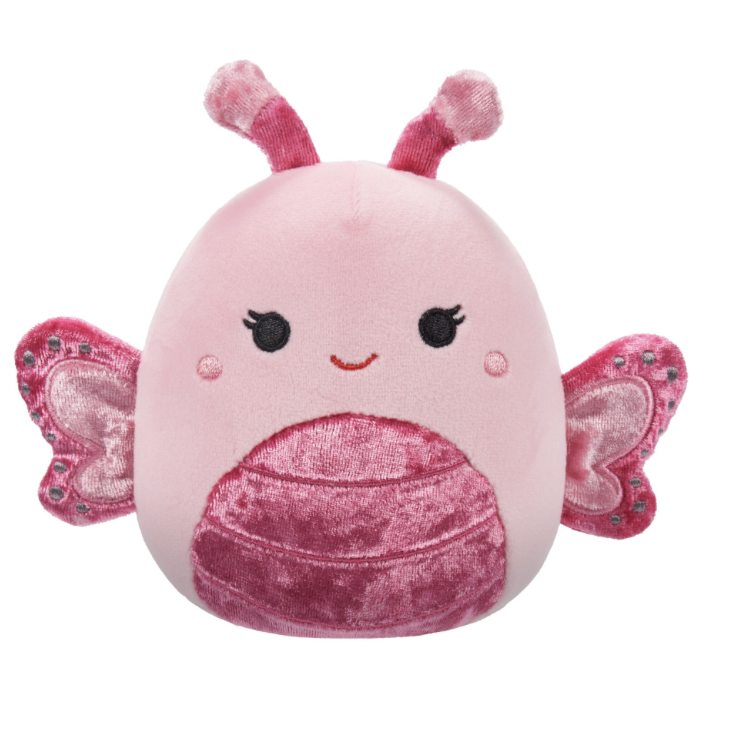
Figure 11. Squishmallow 'Mogo' (5- Inch Mogo The Light Pink Velvet Butterfly)
Looking again at the Somerset house 'CUTE' exhibit, this is a theme which can be found there too, with many of the works included being toys and ephemera from various 'cute' franchises such as Sanrio (Cute 2024). Whilst the dominance of these types of items throughout the show has a hand at demonstrating the history of cute, it also showcases a lot of the more destructive and unsustainable side that we see from capitalising on cute, rather than the narrative seen in the history of cute crafting.
This isn't to say cute is the one destroying the planet though, much of the destructive nature seen here comes from the ties between cute and capitalism, industry and mass production- the same issues that brought more people to turn towards the movement of crafting a century ago.
With craft being a practice that allows for sustainable production, slower ways of living and systems for local exchanges of goods (Bryan-Wilson, 2013), its crossover into cute aesthetics and evolution into the 'cute craft' is something that allows us to enjoy all the adorableness cute has to offer without nearly as many environmental impacts. If we can embrace more of the ways cute found its roots- within craft and DIY culture- cute can be used to its fullest potential as a means to spread positivity and care through functional items instead of a style thrown onto unnecessary things in order to make more sales.
Cute craft collides with fine art
Whilst a lot of this essay has focused on the exclusion of women's hobby crafts and cute works from the wider sphere of 'fine art' it isn't to say they are completely exiled. There are definitely some interesting things we can observe within the kinds of works which fall both under the category of 'cute craft' and 'fine art'.
Alake Shilling's piece, 'Cutie Cat', is a ceramic sculpture of a curious little kitty which was displayed at the Steve Turner gallery in its 2019 'Fantasia' exhibition (Turner, 2019). Within this piece of work we can see a level of childlike playfulness within the design and colours, yet its large scale and materiality presents it to the same refined quality we would expect within a fine art piece.
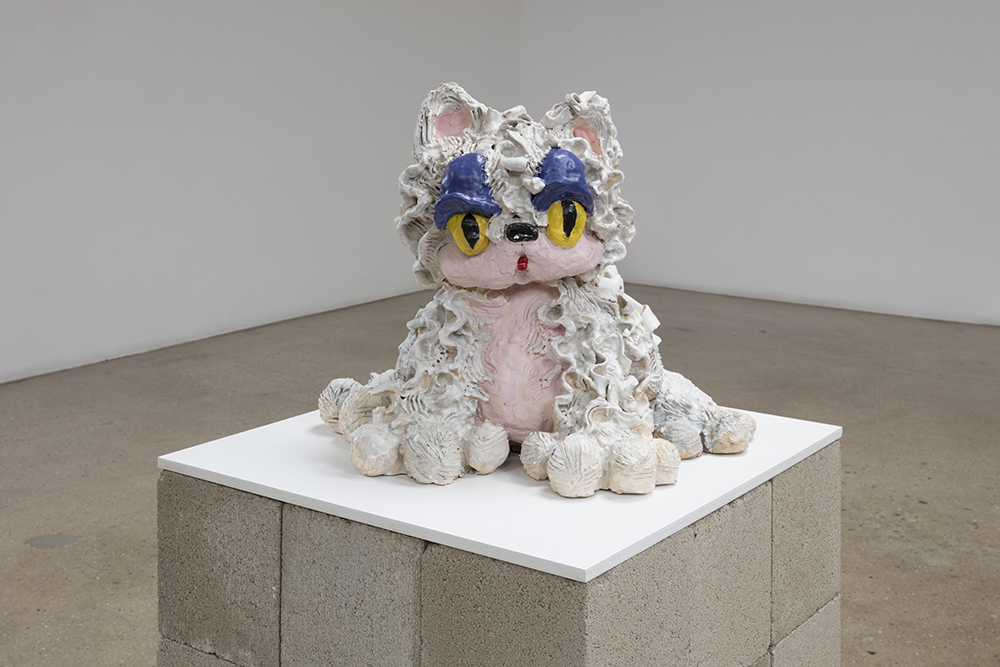
Figure 12. Cutie Cat, Ceramic & glaze (Shilling, 2019)
It feels unusual to see the methods and styles seen within craft hobby culture performed within the setting of a mainstream gallery exhibition. With 'Cutie Cat' in particular, elements of cute as a consumerist product begin to warp within this new, ceramic, sculptural form. The shininess of the glaze which mirrors the oh so prevalent plastic or the soft and cuddly textures that are reshaped into flowy, ribbons of fur; 'Cutie Cat' brings cute to the space of fine art in a way that flips how we think about the style and disguises it as something we are more familiar with.
Conclusion
With the timeline constructed throughout this essay, I set out to understand the ties held between the aesthetic of 'cute' and the practice of women's craft hobbies. I aimed to analyse the place 'cute crafts' have within fine art today and the reasons why these works are so often undervalued and diminished as an art form.
From the miniature works of Esther Inglis, through to the emergence of craft culture within the domestic sphere, the relationship cute has held to women's hobby culture in periods of extreme misogyny have caused it to be presented at small scales in both its physical form and budget. By looking at 'cute craft' under a fine art lens, we can start to notice that neither cute nor craft are truly the issue, but instead materiality and scale seem to be at the root of why 'cute craft' isn't typically valued highly as art.
Whilst an interesting intersection to explore, it starts to leave questions of whether cuteness and cute craft even need to be validated by a system that treated them as an outsider for so long? The practice of craft has, for many women throughout history, acted as a place which welcomed those excluded from fine art sectors and institutions- giving them an outlet for creative expression and a chance to have a voice. And, when the major arts rejected their crafts, solace was found in the soft, cuddly arms of 'cute', where many craftswomen could indulge fully in a style that brought them joy and comfort. Freed from the pressures and commerce of a 'fine art' scene that didn't seem to want them anyway, the emergence of the cute aesthetic through craft has fostered community and care that doesn't really gain anything by being accepted as a legitimate art form or not.
The complicated relationship between domestic craft's long-lasting ties to smaller scales and low budgets or the attributes of 'cute' aligning to things that are small or infantile create conditions which mean 'cute crafts' have to go against their very nature in order to be taken seriously. And by working in ways that aim to elevate cute craft to fit the standards of 'fine art' we dismantle what makes it friendly to access and relate to for the everyday crafts women.
It starts to become apparent that 'cute craft' doesn't need to be validated by the system of fine art because it never aimed to be 'fine art' to begin with. By retaining its roots as a place to feel welcomed and cared about, even when you feel the rest of the world might not is what makes it so magical. Crafting cute is a personal form of expression- something that we share with other likeminded people as a means to have fun and its value as 'art' is therefor found within the people who make and share it with one another.
Bibliography
Abad-Santos, A. (2024) This tiny doll is making everyone so happy, Vox. Available at: https://www.vox.com/culture/357364/sonny-angel-hippers-shortage-explained (Accessed: 03 December 2024).
Adams, S. (1998) The Arts & Crafts Movement. London: Grange Books.
Ashcraft, B. (2021) The meaning of Kawaii, Kotaku. Available at: https://kotaku.com/the-meaning-of-kawaii-1847641571 (Accessed: 03 December 2024).
Arts and crafts: An introduction · V&A (no date) Victoria and Albert Museum. Available at: https://www.vam.ac.uk/articles/arts-and-crafts-an-introduction?srsltid=AfmBOopw4eKM8rjtfPxKs9IWt_8PGruULEWqs4UuynWGziGhRHMr413g (Accessed: 10 November 2024).
Barber, T. et al. (2024) Now you see us: Women artists in Britain 1520-1920. London: Tate Publishing.
Bryan-Wilson, J. (2013) 'Eleven propositions in response to the question: "what is contemporary about craft?"', The Journal of Modern Craft, 6(1), pp. 7-10. doi:10.2752/174967813x13535106841485.
Crafts (2024) Heritage Crafts. Available at: https://www.heritagecrafts.org.uk/skills/crafts/ (Accessed: 31 December 2024).
Cute (2024) Somerset House. Available at: https://www.somersethouse.org.uk/whats-on/cute (Accessed: 11 January 2025).
Dale, J.P. et al. (eds.) (2017) The aesthetics and affects of cuteness. New York, NY : Routledge.
Dale, J.P., Galleymore, I. and Pounds, G. (2024) cute cat-alogue. London: Somerset house trust.
Fuchs, C., Schreier, M. and Van Osselaer, S.M.J. (2015) 'The handmade effect: What's love got to do with it?', Journal of Marketing, 79(2), pp. 98-110. doi:10.1509/jm.14.0018.
Kriss, L. (2023) Squishmallows - Design Life, Cycle. Available at: http://www.designlife-cycle.com/squishmallows (Accessed: 11 January 2025).
Lamberti, C. (2022) Righting the wrong: How women have been excluded from the art world and the importance of sharing their stories, femLENS. Available at: https://femlens.com/blog-post/righting-thewrong/#:~:text=Women's%20options%20were%20quite%20limited,over%20what%20she%20was%20creating. (Accessed: 07 December 2024).
Lippard, L.R. (1978) 'Something from Nothing (Toward a Definition of Women's Hobby Art)', Heresies, 4.
O'Flaherty, E. (no date) Do 'Kawaii' Aesthetics Disempower Women? dissertation. Academia. Available at: https://www.academia.edu/29359332/Do_Kawaii_Aesthetics_Disempower_Women# (Accessed: 10 December 2024).
Popin'Cookin (no date) Popin' Cookin'. Available at: https://www.popincookin.us/story/ (Accessed: 20 January 2025).
RRcherrypie (2011) Mini replica 2 - Kitchen ごはんま~だ?!, YouTube. Available at: https://www.youtube.com/watch?v=QTQu2N5aK1A&list=PLdz3--wpWsAg0xMYA0bGRKOBem4mObf4w (Accessed: 20 January 2025).
Sanrio (no date) The official home of Hello Kitty & Friends, Sanrio. Available at: https://www.sanrio.com/ (Accessed: 20 January 2025).
Sato, M. (2023) The delightful excesses of smartphone maximalism, The Verge. Available at: https://www.theverge.com/creators/23650385/smartphone-case-iphone-decoden-custom (Accessed: 01 December 2024).
Scullin, S. (2019) To craft is woman?, Medium. Available at: https://eidolon.pub/to-craft-is-woman-1c0abfb3af77 (Accessed: 10 January 2025).
Solomon, A. (2018) The prolific illustrator behind Kewpies used her cartoons for women's rights, Smithsonian Magazine. Available at: https://www.smithsonianmag.com/history/prolific-illustrator-behind-kewpies-used-her-cartoons-womens-rights-180968497/ (Accessed: 03 December 2024).
Tate (2019) Women and power, Tate. Available at: https://www.tate.org.uk/art/women-art-tate/women-and-power#:~:text=In 1859 Osborn signed a,a year later in 1860 . (Accessed: 28 November 2024).
Tate (no date) Craft, Tate. Available at: https://www.tate.org.uk/art/art-terms/c/craft#:~:text=In the past%2C craft was,contributed to their lesser status . (Accessed: 10 November 2024).
Tomczak, S. (2022) Why Kewpie Mayo has a baby on its logo, Tasting Table. Available at: https://www.tastingtable.com/1094436/why-kewpie-mayo-has-a-baby-on-its-logo/ (Accessed: 03 December 2024).
Tse, A. (2023) Diving into blind box culture, Generasian. Available at: https://generasian.blog/2023/03/24/diving-into-blind-box-culture/ (Accessed: 19 January 2025).
Turner, S. (2019) Fantasia | Steve Turner, Steve Turner - FANTASIA. Available at: http://steveturner.la/exhibition/fantasia (Accessed: 11 January 2025).
Victoria and Albert Museum (no date) The history of hand-knitting · V&A, Victoria and Albert Museum. Available at: https://www.vam.ac.uk/articles/the-history-of-hand-knitting?srsltid=AfmBOoqYIT1fXBi6XAikD_8p5tu06X4ynJ0_ElmUt38ca3dqRXHCaZTO (Accessed: 09 January 2025).
Yeoh, B.S.A. and Huang, S. (2012) 'Domestic Labour as Women's Work', in International Encyclopedia of Housing and Home. Amsterdam, Netherlands: Elsevier, pp. 451-455.
Wainwright, O. (2024) Cute Review - the world is on fire, but just look at that Smol Round Boi!, The Guardian. Available at: https://www.theguardian.com/artanddesign/2024/jan/24/cute-review-the-world-is-on-fire-but-just-look-at-that-smol-round-boi (Accessed: 11 January 2025).
List of Figures
-
Flora, R. (2023) knitted cat vest, Instagram. Available at: https://www.instagram.com/reagan__flora/p/CrBv_zfOmLP/?img_index=1 (Accessed: 19 January 2025).
-
HeyMugi (2024) polymer clay charm of a character, instagram. Available at: https://www.instagram.com/p/DAHDkZ0yoAX/?img_index=1 (Accessed: 18 January 2025).
-
Knitting & Crochet Guild (2024) Stitchcraft magazine - SC193211 - November 1932, Knitting & Crochet Guild. Available at: https://kcguild.org.uk/pattern/stitchcraft/stitchcraft-november-1932/ (Accessed: 09 January 2025).
-
Knitting & Crochet Guild (2024) Stitchcraft booklet - SC025: Kindergarten Knitteds, Knitting & Crochet Guild. Available at: https://kcguild.org.uk/pattern/stitchcraft/sc25-kindergarten-knitteds/ (Accessed: 09 January 2025).
-
Kracie (no date) Popin' Cookin' Tanoshii Cakes, Kracie. Available at: https://www.kracie.co.jp/eng/products/popin_us/okashi/cake.html (Accessed: January 2025).
-
RRcherrypie (2011) カプリコを装飾 Decorating Caplico Candy, YouTube. Available at: https://www.youtube.com/watch?v=HkKqsTkoGBk (Accessed: 01 January 2025).
-
Cheror (2025) Hello Kitty Series Handmade Decoden Phone Case For All Phone Models, Cheror. Cheror. Available at: https://cheror.com/product/hello-kitty-series-handmade-decoden-phone-case-for-all-phone-models/ (Accessed: January 2025).
-
Thunder Bay Museum (no date) Kewpie Dolls, Thunder Bay Museum. Available at: https://www.thunderbaymuseum.com/exhibits/virtual/toys-of-our-past/kewpie-dolls/ (Accessed: January 2025).
-
Solomon, A. (2018) Kewpie babies marching for 'votes for women', The Prolific Illustrator Behind Kewpies Used Her Cartoons for Women's Rights. Available at: https://www.smithsonianmag.com/history/prolific-illustrator-behind-kewpies-used-her-cartoons-womens-rights-180968497/ (Accessed: January 2025).
-
Sonny Angel (2019) Sonny Angel Products - Mini ### Figure (Regular) -Vegetable Series. Available at: https://www.sonnyangel.com/en/products/ (Accessed: 19 January 2025).
-
5-Inch Mogo The Light Pink Velvet Butterfly (no date) Original Squishmallows. squishxmallowsofficial. Available at: https://www.squishxmallowsofficial.us.com/products/5-inch-mogo-the-light-pink-velvet-butterfly/ (Accessed: 19 January 2025).
-
Shilling, A. (2019) Cutie Cat, Fantasia. Steve Turner Gallery. Available at: http://steveturner.la/exhibition/fantasia/attachment/008101-2 (Accessed: 10 January 2025).