
This dissertation aims to examine how scent can evoke memory, with a focus on South Asian migrants' connection to their homeland. Building on explorations into memory, identity and scent, this work explores how smells familiar to migrants can create a sense of home and bring memories to life. Migrants often carry intangible aspects of their culture across borders, and despite being heavily overlooked, scent can serve as a potent link to one's origins.
This research will include the methodology behind scent and memory, an understanding of South Asian migrants, their personal connections to home through scent and the attempts of creatives who have explored the realm of scent. The exploration into scientific studies provides a baseline understanding on how scent and memory are interconnected, using studies such as presbyosmia, retronasal olfaction and the Proust Phenomenon to support this idea. To explore the realm of South Asian migrants, this work will firstly examine the history behind their diasporic origins. Building on this foundation, it will delve into how scents like spices and incense create vessels for cultural memory, drawing on an interview with British-Indian filmmaker Sanvir Chana to provide personal insights and a deeper understanding. Works from artists such as Sissel Tolaas and Jan Brueghel the Elder have also informed this exploration by representing how scent can be utilised to evoke specifically intended emotions and memories.
The findings support the concept of scent being a strong anchor for cultural identity, especially for those in the diaspora. Through having the ability to create vivid recollections, scents assist migrants by creating a sense of familiarity and comfort within a foreign land.
Ultimately, this study demonstrates how scent can go beyond its traditional roles, becoming a powerful medium for cultural preservation. Combining theoretical research with creative practice, invites further exploration into how sensory experiences can connect individuals to their past and redefine their sense of belonging.
Introduction
On a random afternoon, I'm sitting in my university bedroom, after returning from a visit home. My mum (being the typical South Asian mum she is) had sent me off laden with containers of home-cooked food, snacks and an assortment of items I hadn't asked for. Among these was a box of incense. Out of curiosity I opened it, and as I brought the box closer to my nose, I was hit with a nostalgic scent I didn't even realise I longed for. The scent was a delicate blend of vanilla, sandalwood and something else indescribable yet deeply familiar. Whatever it was, it felt like home. A weight seemed to lift off my shoulders as vivid memories of religious rituals, lively family gatherings and treasured cultural moments washed over me. For that brief moment, I was no longer miles away in the sleepless city of London. The scent of the incense had emotionally transported me home.
This experience laid the foundation for this article, which investigates the question of how scent provides a connection to memory, exploring, in particular, the experience of South Asian migrants and their relationship to home. This inquiry delves into the unique ability of scent to evoke vivid, emotionally charged recollections, with a focus on South Asian migrants as they learn to navigate the complexities of identity, nostalgia and belonging in an unfamiliar environment. For many migrants, home becomes a fluid concept and no longer a geographical location, this work will therefore examine how scent can act as a personal anchor by preserving intangible cultural heritage. To unpack this concept, this dissertation will combine scientific, cultural and creative perspectives, taking a multi-faceted approach. A chapter dedicated to the methodology of scent and memory lays a foundation of understanding as to why smell creates such intense evocations. This is followed by a chapter exploring South Asian migrants' connection to home - investigating significant vessels for aroma such as spices, incense and food. Finally, this research is extended into creative practice through an exploration of contemporary artists who utilise scent as a medium such as Sissel Tolaas. These artists demonstrate how olfactory elements have the capability to induce memory whilst also bridging this abstract concept into tangible experiences. By examining the intersection of migration, memory and identity, this dissertation aims to highlight the intense role scent can play in connecting people in the diaspora to their cultural heritage and ultimately, home.
Chapter 1: The Methodology Behind Scent and Memory
The connection between scent and memory is incredibly powerful, especially in its ability to bring back vivid and emotionally charged recollections. This relationship stems from the unique way the olfactory system corresponds with the brain, as scents are "processed through many brain areas that are directly connected to emotion and memory brain centres" (Laura, 2018). Unlike other senses, smell has a direct connection to the brain's limbic system, specifically regions like the hippocampus and amygdala, which are essential for forming memories and processing emotions (Sullivan et al., 2015). This direct pathway allows scents to bypass the thalamus, the brain's sensory relay centre, which contributes to their power as memory triggers. Ultimately building strong emotional connections to past experiences that feel intense and direct (Herz, 2016).
To explore the deep link, it is important to first understand what smell is and how it is processed. Smell is defined as "the ability to sense things with the nose" (Oxford Learner's Dictionaries, n.d.) and is the process by which humans perceive odours. When we encounter a scent, volatile compounds are released from various substances and travel through the air. They enter through the nose and attach to specialised receptors on our sensory neurons found in the olfactory epithelium, which is a small patch of tissue in the nasal cavity, leading to the perception of odour (Palivela, 2023). Interestingly, research suggests humans may be more sensitive to smell than previously thought, even more so than animals like rodents and dogs. In fact, humans can distinguish an estimated one trillion scents, underlining our capacity to recognise a wide range of odours (Lally, 2017).
The ability to sense and interpret smells varies greatly among individuals, due to factors such as age, genetics and environmental exposure. For example, genetic variations in olfactory receptors can cause individuals to perceive scents differently, with some unable to detect certain odours at all (Sato-Akuhara, et al., 2023). Additionally, sense of smell also tends to decline with age, a phenomenon known as presbyosmia, which can impact the emotions and memories tied to important scents (Lanska, 2024). The experience of smell can also extend beyond the detection of odours through the nose. Retronasal olfaction is the term used to describe the experience of scent travelling from food or drink in the mouth to the nasal cavity during eating (Landis, et al., 2005). This adds another layer to the experience of smell and plays a significant role in flavour perception. This idea also plays a key role in understanding the importance of cultural food and drink, such as South Asian culinary traditions. Their food is found to be powerfully pungent due to the use of strongly distinct spices. This would lead to the formation of a wider odour palette, which would greatly help in scent-related memory development, as we will later investigate.
To assist in this exploration, it is also vital to understand the concept of memory, which - for our purposes - refers to "our ability to recall information." For any individual, this cognitive process will contribute to shaping our identities and experiences. According to an article from Harvard Health Publishing, scientists distinguish types of memories based on their content and how we use their information, with two main categories being short-term and long-term memory. Short-term memory is temporary, enabling us to retain information for only seconds or minutes (Harvard Health Publishing, 2022). For example, when you receive instructions then follow them, the details are kept in your mind just long enough to complete the task (Drew, 2023). This selective process helps prevent our brains from being overloaded with irrelevant data. In contrast, long-term memory holds the information that defines who we are as an individual. This type of memory is both durable and adaptable, evolving as we retell a story or learn new information after the experience has happened (Harvard Health Publishing, 2022). Examples of long-term memory could be recalling revised information or remembering childhood events (Drew, 2023).
Memory relies on a network of brain regions, each playing a unique role in encoding, storing and retrieving information. The central point of this process is the hippocampus which "plays a critical role in the formation, organisation and storage of new memories," which are later transferred elsewhere in the brain for long-term storage (Cherry, 2022). However, the hippocampus is only responsible for acquiring explicit memory, which is the ability to consciously recall concepts, ideas and events (Jawabri & Cascella, 2023). Implicit memory, which is defined as "the information that we do not store purposely and is unintentionally memorised," such as emotions, is instead acquired by the amygdala (Greenwood, 2023). Emotional arousals activate the amygdala, explaining why memories are frequently tied to strong emotions, such as joy or fear, and can often feel more vivid if so (YouTube, 2020).
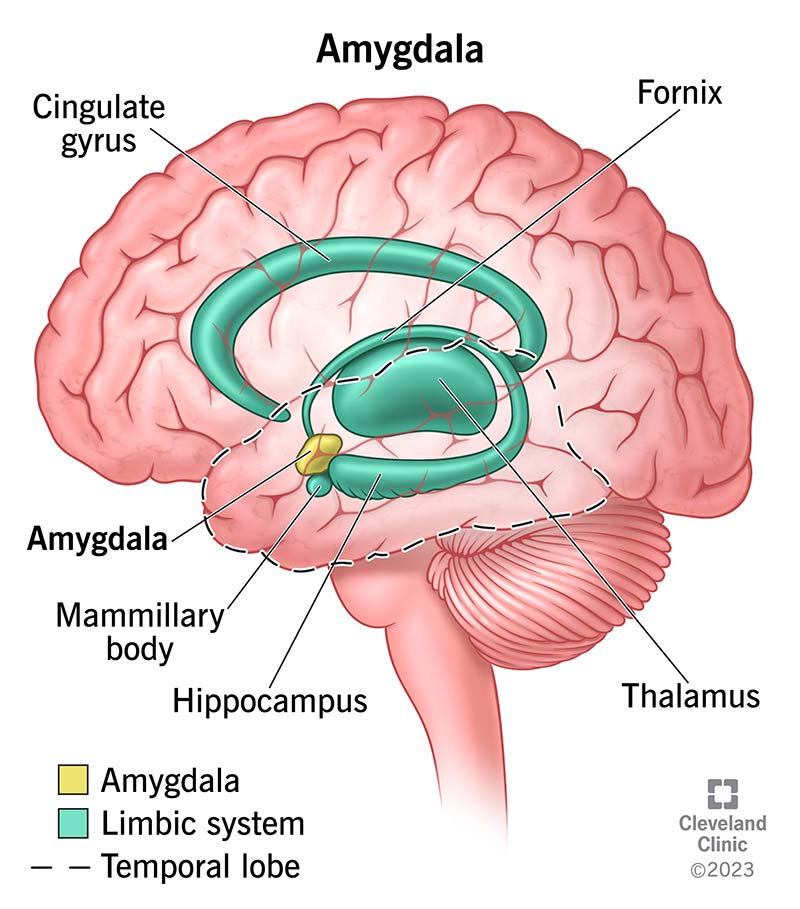
Figure 1: Diagram of the brain (Cleaveland Clinic, 2023)
Both the amygdala and hippocampus work hand-in-hand, playing a crucial part in recalling emotional memories. In a study by (Bechara, et al., 1995), researchers investigated the distinct roles of these two brain regions in memory formation. They examined patients with damage to either the amygdala or hippocampus and compared the results against a control. The result was that the patient with damage to the amygdala was unable to develop a conditioned fear response to a specific stimulus - a blue slide paired with a loud noise, displayed amongst other coloured slides with no noise. Although the patient couldn't form an emotional reaction, they were still able to consciously remember the link between the blue slide and the noise. On the other hand, the patient with damage to the hippocampus could still develop the conditioned fear response but could not remember the blue slide had been associated with the noise. In terms of the relationship between scent and memory, this study is relevant as it highlights the importance of the amygdala and hippocampus in creating explicit and implicit memories. The amygdala is essential for processing emotions, whilst the hippocampus is responsible for recalling specific details and experiences. Therefore, through smelling a familiar cultural scent, memories that you were unaware of could be evoked due to the amygdala, transporting you to a time or moment you unknowingly remembered. Being in a new environment where these cultural smells aren't particularly prominent could also be a contributing factor to the memory recollection. What was once a common odour is now smelt every so often, causing your brain to recall the experiences related to that specific smell in the old environment.
This relationship between the hippocampus and amygdala is also vividly illustrated in the movie Ratatouille. The food critic, Anton Ego, takes a bite of the featured dish and is shown to be instantly transported back to a childhood memory of his mother lovingly preparing the same meal (Ratatouille, 2007). This scene suggests how explicit memory, triggered by the sensory experience of taste and smell, merges with the emotional depth provided by the amygdala. The flavours and aromas from the ratatouille, prompted the hippocampus to recall the childhood memory, whilst the amygdala added the emotional warmth and comfort associated with the experience. This example imaginatively depicts how sensory triggers can revive emotional and evocative memories - showing how closely connected these two brain regions are when it comes to memory recollection.
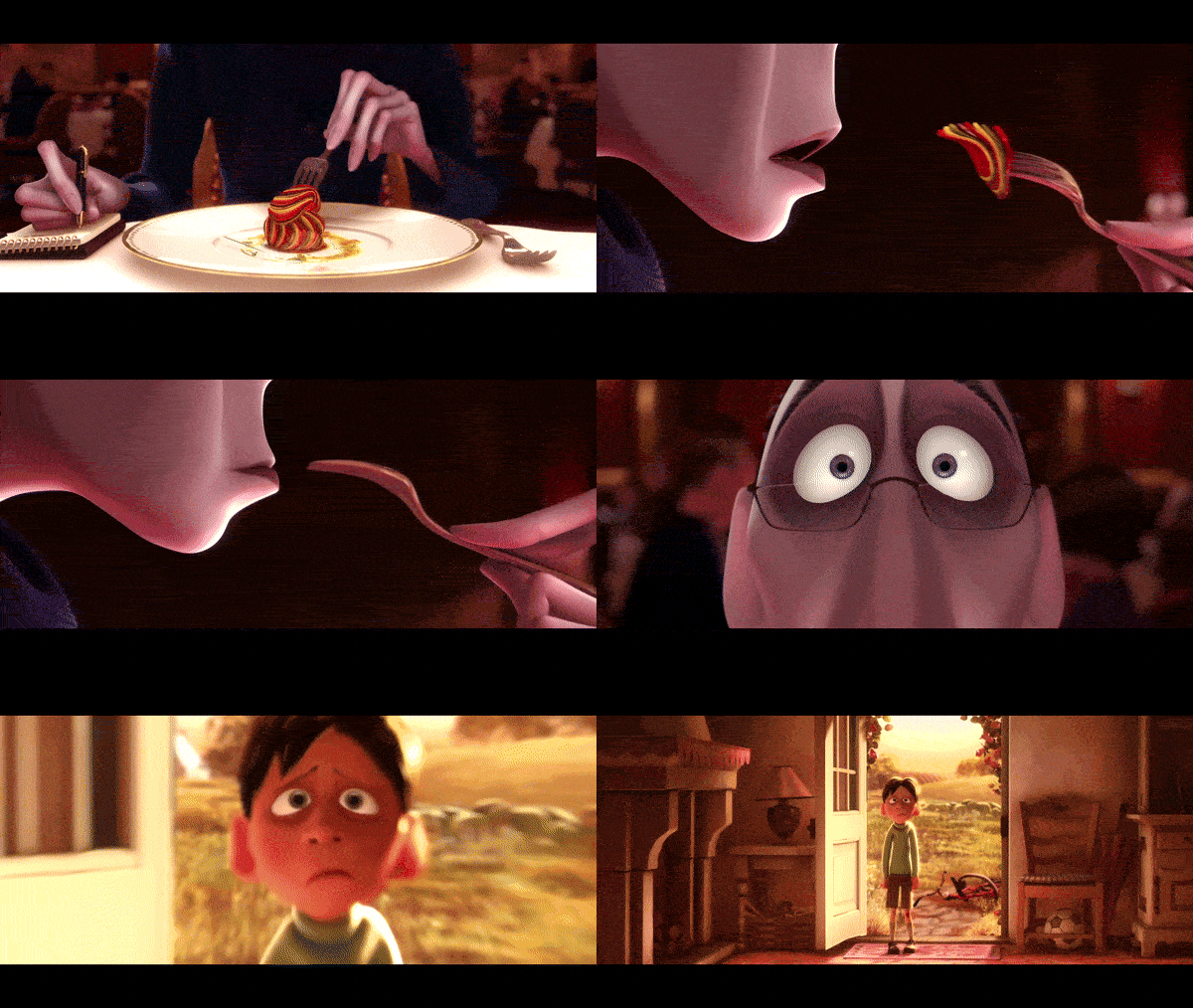
Figure 2: Food critic, Anton Ego, being transported back to a childhood memory through eating a dish in Ratatouille (Ratatouille, 2007)
The Proust phenomenon is a term often used to describe the experience of memory recall though scent. It is named after Marcel Proust's eponymous literary anecdote of how the smell of a madeleine biscuit dipped in tea transported him to long forgotten childhood memories. As noted on the National Library of Medicine, "odor-evoked memory or the 'Proust phenomenon' [...] occurs when an odor triggers the recollection of a meaningful past personal episode" (Herz, 2016). This process is unique to olfaction, as memories triggered by scent are often more emotional and vivid than those recalled through the other senses. But why is this?
According to Venkatesh Murthy, Professor of Molecular and Cellular Biology at Harvard University, olfactory signals bypass the brain's higher processing centres and go straight to the amygdala and hippocampus. As we learnt, this is where emotional and memory responses are deeply rooted (Harvard Museum of Natural History, 2020), demonstrating the strong link between scent and memory. Dawn Goodman, co-founder of 'Olfactive Branding Company', also explains that "smell is the only fully developed sense a foetus has in the womb" making it our most developed sense as a child. As "smell and emotion are stored as one memory", this also becomes a significant period in your life where you create "the basis for smells you will like and hate for the rest of your life" (Walsh, 2020). Which highlights how deeply intertwined smell and emotion are in memory formation but also, the significance this sense has in establishing the foundation for how we then respond to scents throughout the rest of our lives. This suggests that cultural or environmental odours experienced at a younger age are more likely to be retained, even after moving to new surroundings.
When we smell a particular scent, it can instantly take us back to a specific moment in our lives, possibly raising strong memories tied to family or home. This concept is particularly relevant in the context of the COVID -19 pandemic, which caused millions to experience anosmia, or loss of smell. Whilst it seemed like this would only disrupt their daily routines, it also began to take a toll on the individuals' emotional and memory experiences. As noted in the digital magazine Sapiens, smell is "qualitatively different from other senses. A song might remind you of the place. But a smell takes you there," emphasising the true power of odour and the psychological consequences that could entail without it. Within the article, Vivan - an art curator in Washington D.C. - shares her experience of losing her sense of smell during the pandemic: "I bought a tree [...] And I thought, this tree has no smell. What did they sell me? Is this a bad tree?." However, as Vivan reflects, losing her sense of smell was more than just about the tree, as she stated, "That pine smell that I love, that I associate with childhood and my father … it's gone [...] there is something that has left that is very vital to my life." This proves that the smell of pine, served not just as a sensory experience for Vivian. It was also a crucial part of her emotional connection to her memories of family and youth. The absence of scent, for any individual, can leave you with feelings of loss and disconnection, also representing its importance in shaping our self-identity. At the time of this article, 62% of COVID-19 patients reported a loss of smell, with many revealing feelings of isolation and depression as they found it difficult to reconnect with their sense of self (Ives, 2022). This experience from the pandemic underlines how incredibly important the sense of smell is to the human experience. Scent has a profound ability to ground us in our memories, culture and identity, making it an essential sense for understanding the human experience.
Chapter 2: South Asian Migrants and Their Connection to Home
For South Asian migrants, the concept of 'home' goes beyond a geographical location. It also encompasses emotional, cultural and historical aspects. Migration not only involves leaving behind a familiar physical environment but also parting with tradition, language and community, which shape one's personal identity. As these intangible elements are typically woven into daily life, they're often what keeps a migrant's selfhood alive, despite the change in physical location. For many, the idea of 'home' becomes a fluid concept, rooted in memories of their homeland while they adapt to the realities of life in the diaspora. As new generations emerge, this relationship with home and heritage evolves. For those born outside of their ethnic country, this idea may be shaped by migrants' experiences and efforts at cultural preservation, with smell potentially playing a significant role in expressing this.
The migration of South Asians to the UK can be traced back through historical, economic and political factors, originating from the colonial history between South Asia and Britian. From 1858 to 1947, the British government took over the British East India Company's assets and established direct control over India - with this period being referred to as the British Raj. Despite their aim to include Indians in governance, all power firmly remained in British hands, until the frustration felt by India's residents gave rise to a powerful movement for national independence, which was achieved in 1947 (Wolpert, 2024).
During both World Wars, South Asian soldiers played a vital role in supporting British forces, where "approximately 1.3 million Indian soldiers served in World War I, and 2.5 million in World War II, with many stationed in Britain." A notable example includes over 700 young Indian workers joining a munitions production training scheme in Hertfordshire in October 1940, underscoring South Asia's significant contribution and the interconnectedness of both regions (Sammut, 2024). Following World War II, Britain's depleted workforce prompted the government to invite workers from former colonies to assist in rebuilding the economy. Under the British Nationality Act of 1948, Commonwealth citizens were granted the legal right to live and work in Britain to "fill labour shortages and support economic recovery." These new legal rights led to an increase in South Asian workers who played a crucial role in rebuilding sectors such as industry, healthcare and public transport, whilst also being given "the right to participate in civic life, such as voting and accessing public services" (Morris, 2024). South Asians were also drawn by hopes of better opportunity, higher salaries and stability amid the economic hardship followed by the 1947 partition (Sammut, 2024). As a result, the desperate need for labour by the British government coincided with the socioeconomic needs of migrants, and "the initial welcome given to Commonwealth migrants paved the way for the multicultural society that characterises modern Britain" (Morris, 2024).
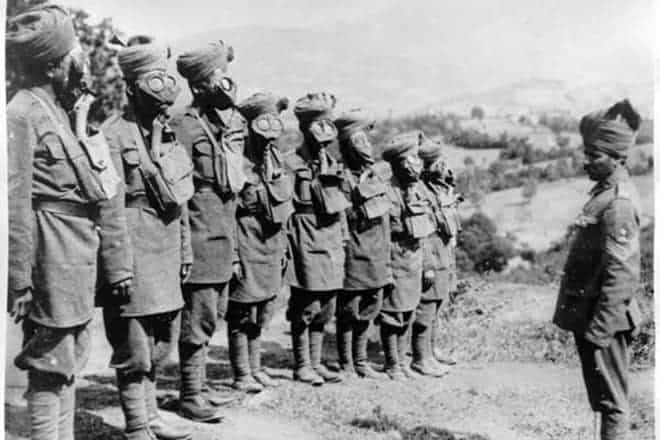
Figure 3: Indian soldiers serving with the British army on the Western Front (Ringrose, 2021)
Being a migrant comes with many emotional and psychological complexities, as you find yourself caught between two worlds. While seeking opportunity and growth in a new country, you must also grapple with the loss and disorientation of leaving your homeland behind. Some may experience a 'culture shock,' which describes a feeling of being 'out of place', disorientated or alienated when adjusting to a new cultural environment. Everyday activities, like learning a new language or adapting to social norms can feel overwhelming and daunting, especially in unfamiliar surroundings. The additional absence of familiar foods, family, clothing and cultural activities, serves as a constant reminder of what's been left behind, intensifying isolation. Hence why the addition of known scents could assist, as it can alleviate mental strain, forming a sense of ease and comfort. Psychological stress can also develop through the changes in social support and the challenges of building a new network in a foreign environment. In a report done by counselling psychologist (Shea, 2022), she explains that pre-migration conditions combined with post-migration circumstances can lead to the exacerbation of existing mental health concerns or elevate the migrants' vulnerability to new ones. This emphasises the significant mental toll migration can take and why efforts should be made to support these individuals.
Residing in a country different from your ethnic origin often leads to a dual identity, as one aims to navigate the complexities of belonging to two cultures. For migrants, balancing cultural heritage with the desire to fit in can lead to confusion about where they truly belong. In an article written by Larry Li, an American citizen raised in China, he explains "after spending so many years in a new country, the impression of our cultural background started to wane as we became more immersed in the new surroundings," showing how prolonged exposure to a new culture can gradually erode one's origins. Navigating this tension between identities can create psychological struggles, as individuals try to preserve their heritage whilst also adapting to a new environment in order to 'fit in'. From the same article, Noura Ballout adds "If you forget where you come from, you lose yourself" (Li, 2020), reinforcing the importance of memory in preserving cultural identity. For migrants or even those with Western nationalities but South Asian ethnicities, maintaining a connection to 'home' becomes vital in keeping their selfhood alive. Scent can play a key role in this process by triggering personal memories which help to create familiarity in an unknown world. This can be achieved through specific foods, spices or rituals, that will provide moments of connection and, perhaps, slightly alleviate the feelings of disconnection.
The connection between smell and memory has been deeply embedded in Indian culture for centuries, as reflected in the ancient text the 'Ramayana' - the life story of Rama, the seventh incarnation of the god Vishnu (Murphy, n.d.). In the Tamil version of this poem, scent goes beyond a sensory detail and becomes a powerful symbol of memory and longing. In search of Sita, who was kidnapped by the demon Ravana, Rama encounters a collection of her ornaments and jewels, "the smell, by its very presence, embodies the sense of separation," transforming the ornaments into flowers in his hands (Shulman, 2006). This poetic imagery reflects how scent can act as bridge for emotional and physical connection, a concept that has been conveyed through Indian literature for centuries. "The sweet fragrances of springtime, the season of love" act as "literary markers of painful yearning," signifying both the beauty and pain of longing (Shulman, 2006). This emphasises how scent can bring forth abstract ideas such as love, loss and desire, serving as both a metaphor and vessel for human emotions. This example from the Ramayana demonstrates that in some parts of South Asian culture it is taught that smell can transcend a physical sensation and evoke memories of intangible concepts, which is what those in the diaspora currently experience.
In present times, eminent scents can be widely found across South Asian culture. A highly notable form is incense sticks, which play a significant role in both religious practices and daily rituals. Incense is particularly prominent in Hinduism, where they are considered a vital element of worship, with a report from the Journal of Bio Innovation stating that "no prayer session is properly accomplished despite using these soothing fragrant sticks" (Yadav, et al., 2020). The natural aromas help to "improve the mood and allow our minds to focus," facilitating better concentration during meditation and worship. The act is also symbolic, representing an offering of respect to the Panch Bhutas, the five elements of Earth, Water, Fire, Air and Space, whilst simultaneously purifying the air (Yadav, et al., 2020).

Figure 4: Indian advertisement for HEM agarbatti (HEM Incense, 2025)
Beyond religion, incense holds an important place in Indian cultural life. Found in both temples and homes, it has become an aroma "synonymous with Indian culture," with the vibrant colours and unique scents such as, sandalwood and jasmine being commonly associated with the subcontinent. Additionally, incense serves practical purposes as its "ignited to expel the unpleasant smell from the air," becoming an air freshener and natural disinfectant, which reflects its dual functionality in Indian life (Yadav, et al., 2020). For members of the diaspora, incense can take on a deeper meaning. By becoming a sensory reminder of home, their distinct odours can transform a foreign environment into a place of familiarity.
Another prominent vessel for scent is South Asian cuisine. The frequent use of spices such as cumin, coriander and fenugreek creates powerful and distinct aromas for dishes. Additionally, the contribution of elements like curry leaves and asafoetida, enhance the unique balance between flavour and fragrance. Within an online article, Chef Toine - Culinary Director of Asia Pacific at the Marriott International - discusses how cardamom, cinnamon and cumin "are some of the most frequently used spices in his culture" (Venkataraman, 2021). For migrants, cooking with these familiar ingredients can create a connection to the memories of home. The warmth of cinnamon or the earthiness of cumin may recall family gatherings, celebrations or even everyday life in South Asia. Chef Thiru of Manipal University, adds that whether its "the smell of freshly ground coconut [...] or the scent of fresh crispy Dosa cooked in ghee; the robust flavour of ingredients and spices invokes a sense of happiness and comfort." Thiru further elaborates, stating that "the majority of flavour, approximately 80%, is actually experienced through smell" (Venkataraman, 2021). Thus, South Asian food, beyond its scent, serves as a powerful tool for migrants to sustain cultural identity and recreate a sense of home in unfamiliar surroundings.
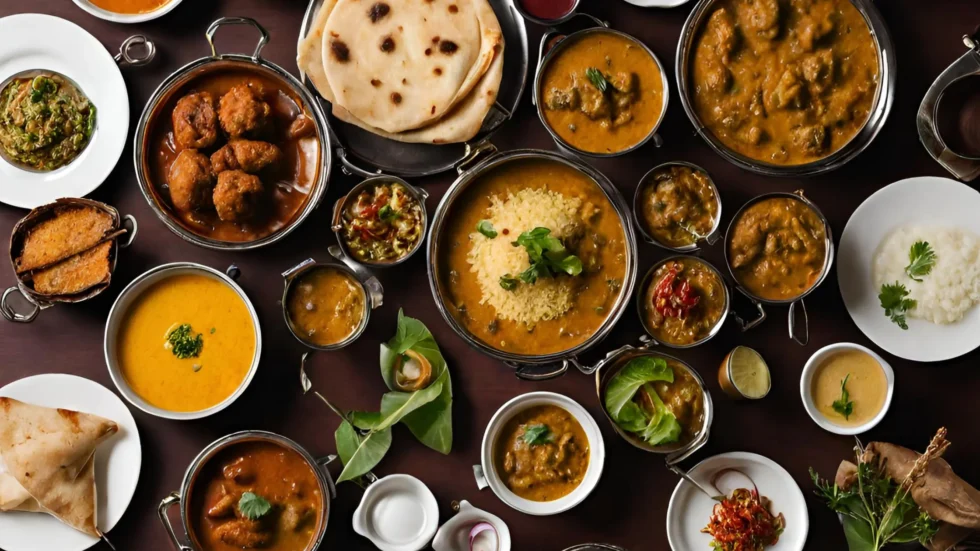
Figure 5: South Asian food arrangement (The Delhi Brasserie, n.d.)
To further explore the topic, I spoke with British-South Asian artist Sanvir Chana, about his diasporic experiences and the role of scent in shaping his understanding of identity and home. Chana, a filmmaker and writer, draws from his British-Sikh heritage to explore themes of identity, belonging and the intersections of his opposing cultures (The Chanadan Inc., 2025). Through exploring his heritage and delving into family history, he shared that the aim of his work isn't to define who he is, but to question the deeper internal conflicts individuals may have and "how we fit within ourselves" (Chana, 2025). When asked about familiar scents tied to cultural memories, Chana recalled that "the smell of amla hair oil holds a particular resonance". He discussed how the smell transports him back to moments of his childhood when his mother used to apply the oil after every hair wash. He also described the distinct scent of "rubber soles" in the Gurdwara shoe room. Chana elaborated on how it reminds him specifically of his local Gurdwara in Hounslow, with "the smell of a large collection of shoes" triggering "memories of that sacred space and communal environment" (Chana, 2025). These scents appear to hold a deep emotional weight for Chana, tying him back to memories of cultural practice and community. It also reinforces the ability of smell to transport an individual to an extremely specific recollection, unique to them. Chana also shared how he infuses subtle sensory cues into his visual work, by weaving in imagery such as spices and ironed clothes, with the goal to "create a multi-sensory experience that allows the audience to feel the weight of those memories" (Chana, 2025). This deepened by understanding of how scent can transcend a physical space, as it can simply be recognised through a visual representation. For example, while an image of spices may broadly suggest their scent, each individual is likely to associate the aroma with their own distinct set of memories and experiences. In Chana's case, these cues in his work would also represent the layered identities within the South Asian diaspora and the fluidity of belonging, as he works to explore these concepts.
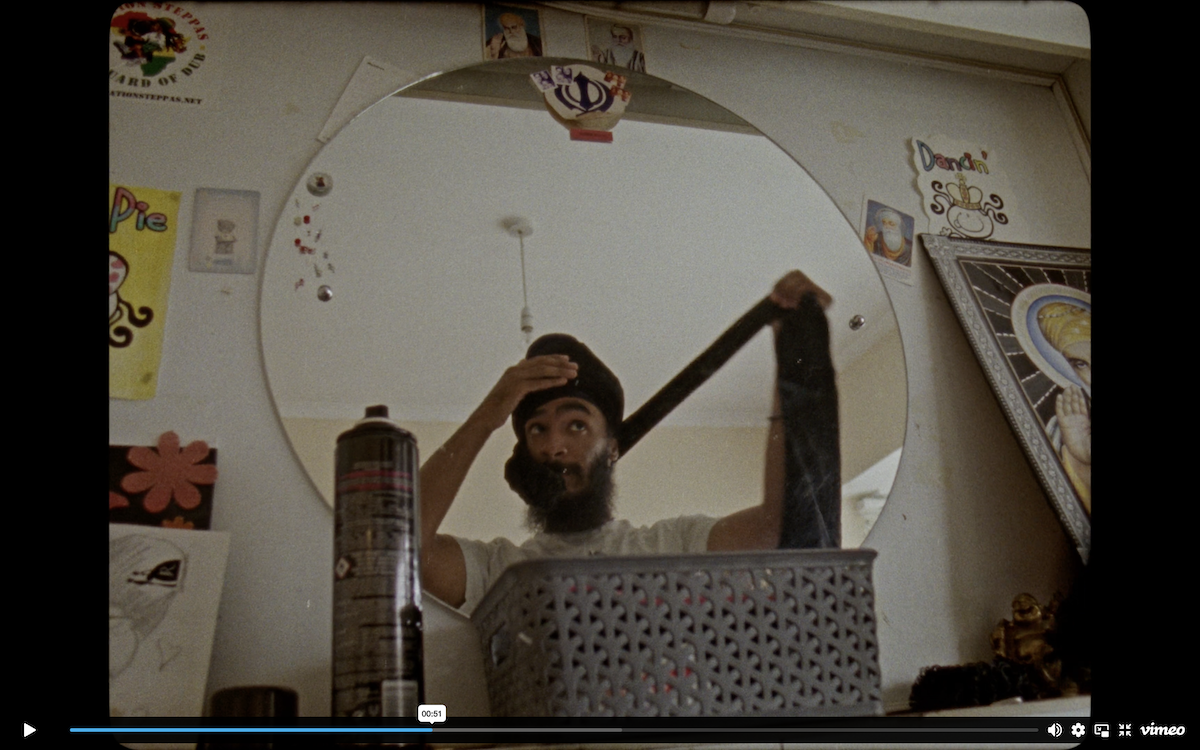
Figure 6: Sanvir Chana's short film (Too Brown For the Crown, 2024)
Chapter 3: Designing the Connection Between Scent and Memory
Building on from the theoretical and cultural insights into the connection between scent and memory explored in the previous chapters, the following chapter will examine how artists and creatives utilise scent in their work. This chapter will transition into an analysis of artistic practices which form odour into a medium to evoke emotion and memory. These examples will demonstrate how scent can be used to bridge the abstract concepts of identity, belonging and cultural preservation.
Jan Brueghel the Elder and Peter Paul Rubens' 'The Sense of Smell' (1618), is part of a series exploring the five senses, representing memory through a sensory-rich depiction of olfactory experiences. Painted in early 17th-century Europe, the artwork illustrates scents significant to the era. It features an idyllic garden filled with flowers, animals and opulent items such as perfume bottles and tapestries. At its focus, two figures are engaged in smelling the flowers, reinforcing the theme of sensory interaction. Through this piece, Brueghel and Rubens create an intricate visual narrative of prominent contemporary smells. The painting also appears to celebrate the beauty of scent - an intangible but essential aspect of daily life that enhances and shapes our experiences.
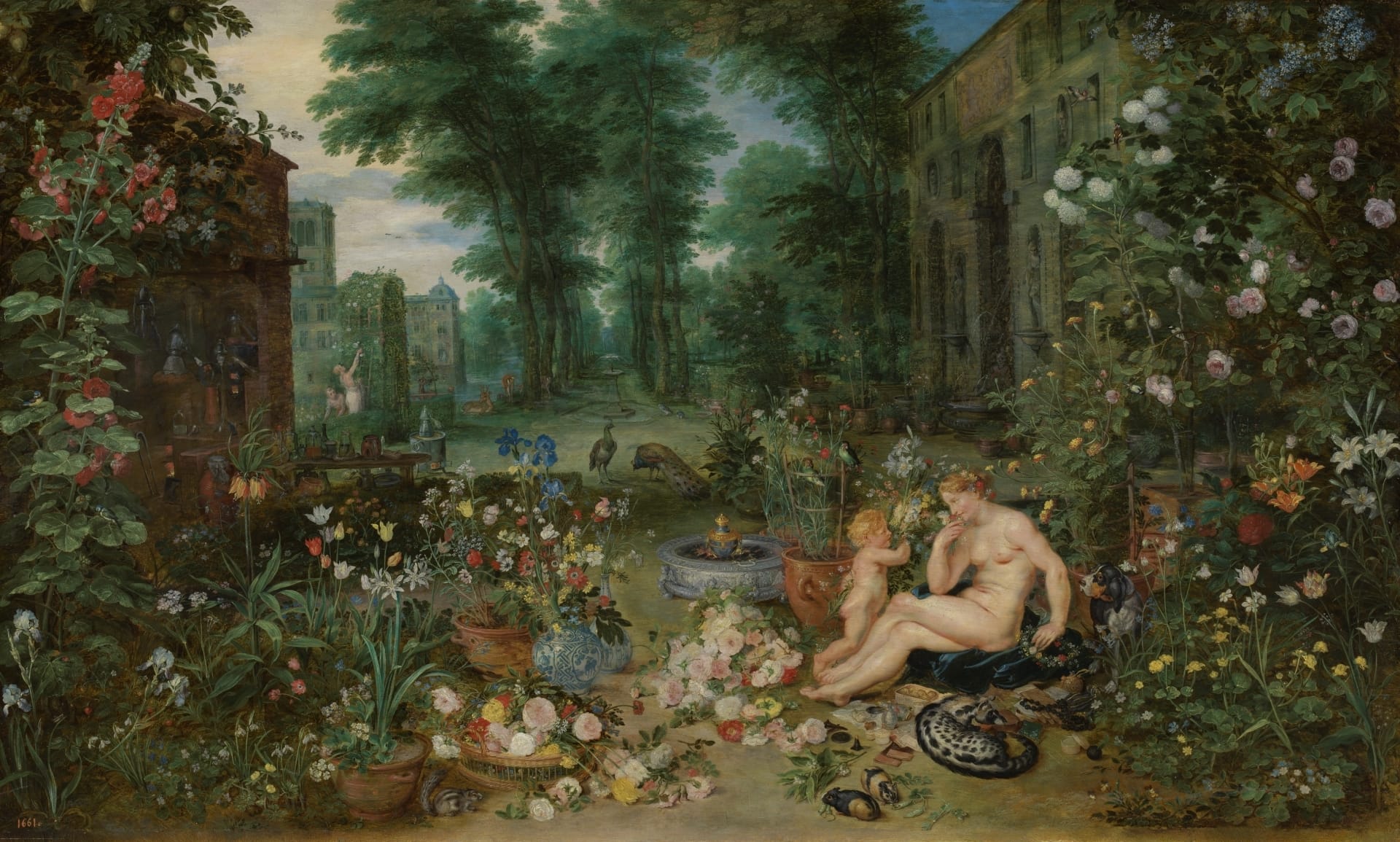
Figure 7: The painting 'the Sense of Smell' (Museo Nacional Del Prado, n.d.)
Centuries later, in 2022, 'The Sense of Smell' was reimagined in 'The Essence of a Painting: An Olfactory Exhibition' at the Museo del Prado in Madrid. Elements, extracted from the piece, were paired with a selection of ten fragrances crafted by perfumer Gregorio Sola in collaboration with the Perfume Academy. These scents, such as 'Allegory' (based on the flower bouquet) and 'Fig Tree' (representing a background tree), correspond to specific elements in the painting. This multisensory approach extended the artwork beyond the canvas, transforming the piece into a tangible, immersive experience, where the audience is invited to fully engage with the painting's world. I also find this modern interpretation an attempt to bridge the gap between the 17th-century and present day, while the painting's visuals reflect its historical setting, the concept of the smells remain the same. This allows viewers to connect with the time and immerse themselves in the world of Brueghel's painting. This demonstrates the power of olfactory memory in tying past and present, allowing us to relive former memories or ideas (Museo Nacional Del Prado, 2022).
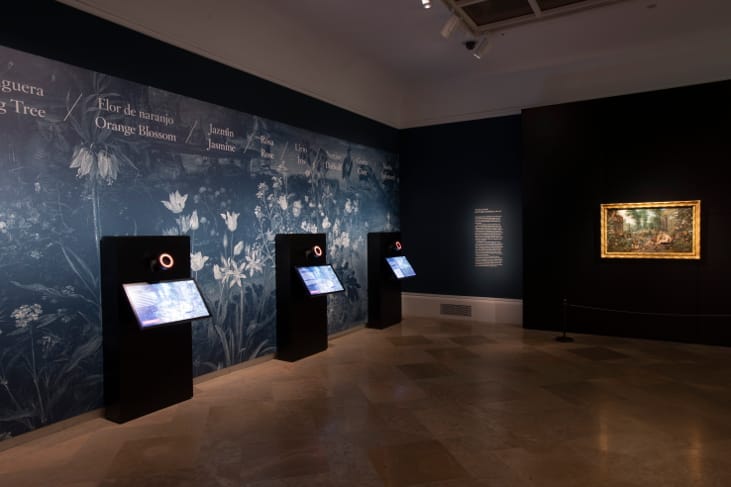
Figure 8: The exhibition 'The Essence of a Painting: An Olfactory Exhibition' (Prado, 2022)
Connecting visuals with scent also serves as a powerful storytelling tool beyond this exhibition, as it creates a deeper emotional response towards what is depicted. Sanvir Chana's work exemplifies how this concept is employed in contemporary practice. Although he doesn't directly use scent, he successfully conveys the same sensory impact through film, using cultural imagery. These subtle visual cues allow audiences to feel the weight of the memories and understand the significance of the aromas without physically encountering them. Through these connections, the original painting 'The Sense of Smell' and its modern reinterpretation 'The Essence of a Painting: An Olfactory Exhibition', reflect the enduring power of scent in narrating stories, preserving heritage and connecting individuals to their identities - whether that's in 17th-century Europe or the 21st-century diaspora experience.
Sissel Tolaas is an artist whose work challenges traditional notions of art by using smell as her primary medium. She views scent as a powerful yet often neglected sense, employing it to provoke new ways of engaging with both space and memory. Tolaas states, "we smell before we see the mother," referring to how smell is the first sense to develop and suggesting its significant influence on our emotional and cognitive experiences. She describes molecules as "the alphabet of the air" claiming she "writes with the air tubes" also adding "to smell the world is fun," capturing her exploratory approach to scent as an art form (Mallet, 2024).
Despite its frequent marginalisation, Tolaas argues that scent deepens our understanding of the world and influences our emotional responses. By embracing olfaction, she believes we can new avenues for connection, both to the immediate environment and to our personal memories (Mallet, 2024).
Tolaas' practice is immersive, often altering spaces by infusing them with scent. In an exhibition for the new Bahrain Pearling Path, "she hacked the building's air conditioning system to circulate smells throughout the space," transforming the atmosphere and offering viewers a novel way to experience their surroundings. This intervention was likely to connect the audience and the space, elevating the Pearling Path from a purely visual experience, into a more emotive experience. Pearl diving is deeply rooted in Bahrain's heritage, and Tolaas' use of scent aimed to evoke that history and deepen the audiences understanding of it. For this project, she studied "the smell molecules of garments in the archive," although the exact scents used remain unspecified (Mallet, 2024). By using scent as an addition to the site's storytelling, Tolaas' contribution likely helped viewers engage with Bahrain's cultural past in a new light.
Tolaas' 2021 exhibition, titled 'RE ____', held at the Astrup Fearnley Museum in Oslo, expanded on this concept but in a more politically charged direction as she explored capital, class and colonisation. Distributed across seven indoor and outdoor spaces, the exhibition created an "olfactory archaeology of the present." This was achieved through "unearthing, restoring, categorising and numbering scents from nearly all of the continents, a range of social contexts and a wide variety of materials," including human skin, fear and money (Vermeulen, 2021). Tolaas used different scent-emitting devices such as "fans, soaps, and even a mylar-coated wall segment purposely positioned low to the ground so visitors had to get down on their hands and knees like a dog to experience it" (Mallet, 2024). This more physical form of engagement invited viewers to interact directly with the smells, differently to the more passive approach of the Bahrain exhibition. It is also interesting to see the approach Tolaas takes to challenge the viewer's understanding of scent as a political tool. For instance, visitors were asked to wash their hands with soap smelling of Tolaas' own skin and were given a bottle of money-scented perfume at the ticket office. Outside, they could steam in a sauna infused with the smell of money, before rinsing off in the sea which symbolised cleansing, creating a personal yet political experience (Vermeulen, 2021). Each interaction prompted reflection, where the use of smell allowed the audience to create a more intimate connection with the display. The use of money highlighted themes of capitalism, while the soap infused with the artist's scent blurred the boundaries between identity and shared experiences.
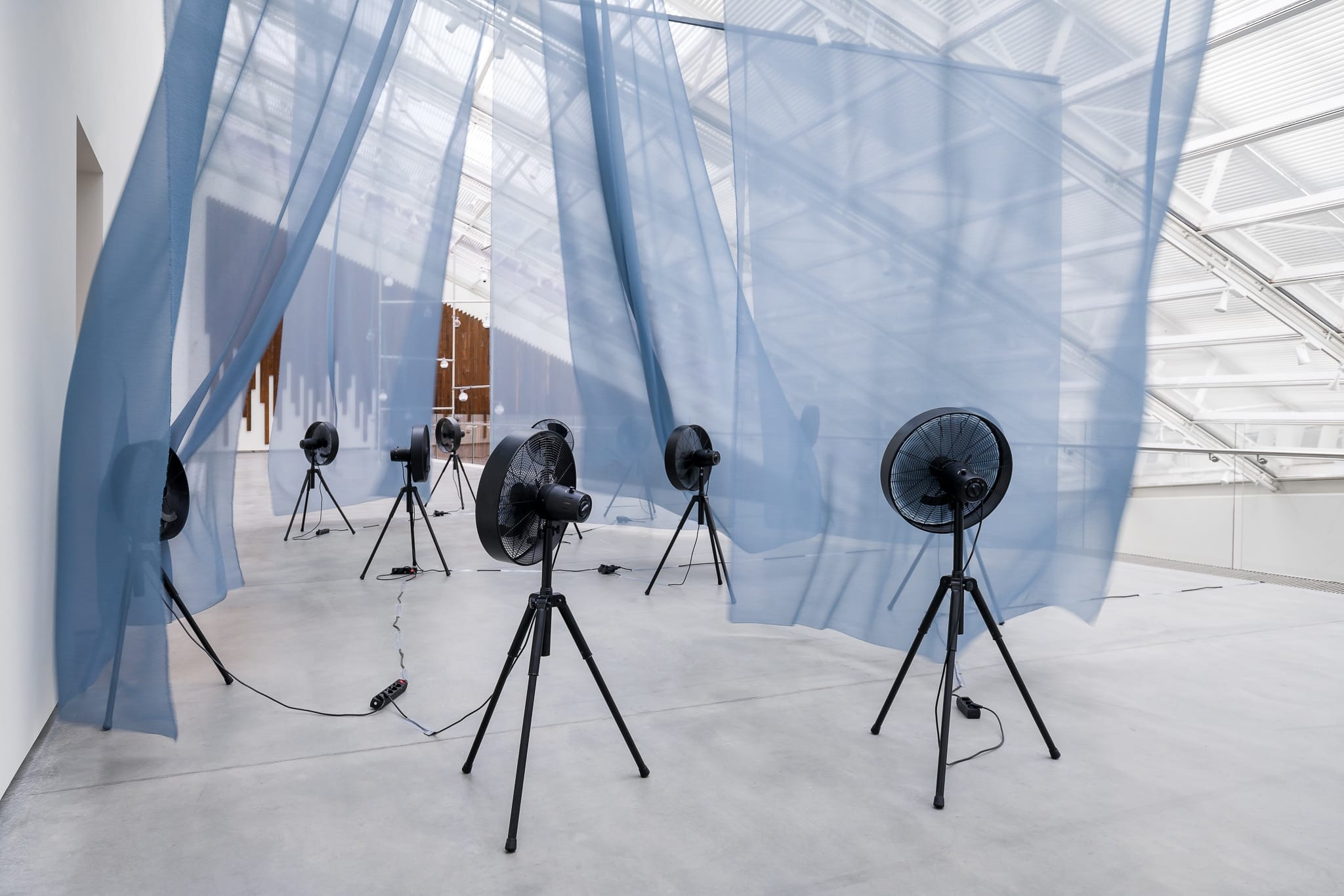
Figure 9: Sissel Tolaas' exhibition 'RE ____' (Astrup Fearnley Museet, 2021)
This multisensory experience not only reinforces her ideology of scent having a significant impact on our cognitive experiences but, also illustrates how it can transcend personal memory to address specific topics - which in this case was Tolaas' political discourse. Ultimately, 'RE ____' encapsulates Tolaas' goal to represent the impactful presence of scent, making the audience aware of how it shapes not only memory but also wider themes. Intentional interactions with scent push the boundaries of art but also help us understand how scent can be utilised to express and influence specific emotions, often alongside a visual or physical aid.
Sissel Tolaas' work as a whole highlights the power of scent as a bridge between memory, identity and culture. Her dedication to sharing the importance of this sense by transforming its intangible form into an interactive experience, proves how it is can be utilised to connect us to personal memories and cultural narratives. This reinforces the exploration into the South Asian diaspora, where familiar scents like food or incense, can mentally bridge their distance from home. Tolaas' installations evoke emotion, provide a connection to direct themes and ground individuals to their sense of identity.
Following this research, I undertook a personal exploration into the connection between scent, memory and identity by creating a range of incense sticks inspired by South Asian heritage. Being British Indian, I drew from personal and culturally significant scents, examining the emotions they evoked, memories they reinforced and the connection they provided to my South Asian ethnicity. Each scent was chosen for its symbolic and emotional weight: cumin, to reflect the comforting aroma of home-cooked meals like dal; coconut to represent the intimate ritual of mothers applying coconut oil to their children's hair; cardamom to recall the warm, spiced aroma of chai; and ginger to signify healing through remedies passed down through generations. These choices stemmed from extensive research and experimentation, incorporating feedback from diverse South Asian individuals to ensure the scents and correlating emotions were effectively conveyed. The project explored themes of cultural preservation, memory and the negotiation of identity in diasporic contexts, aiming to examine how scent can be utilised as a sensory anchor, bridging migrants and diasporic individuals back to 'home'.
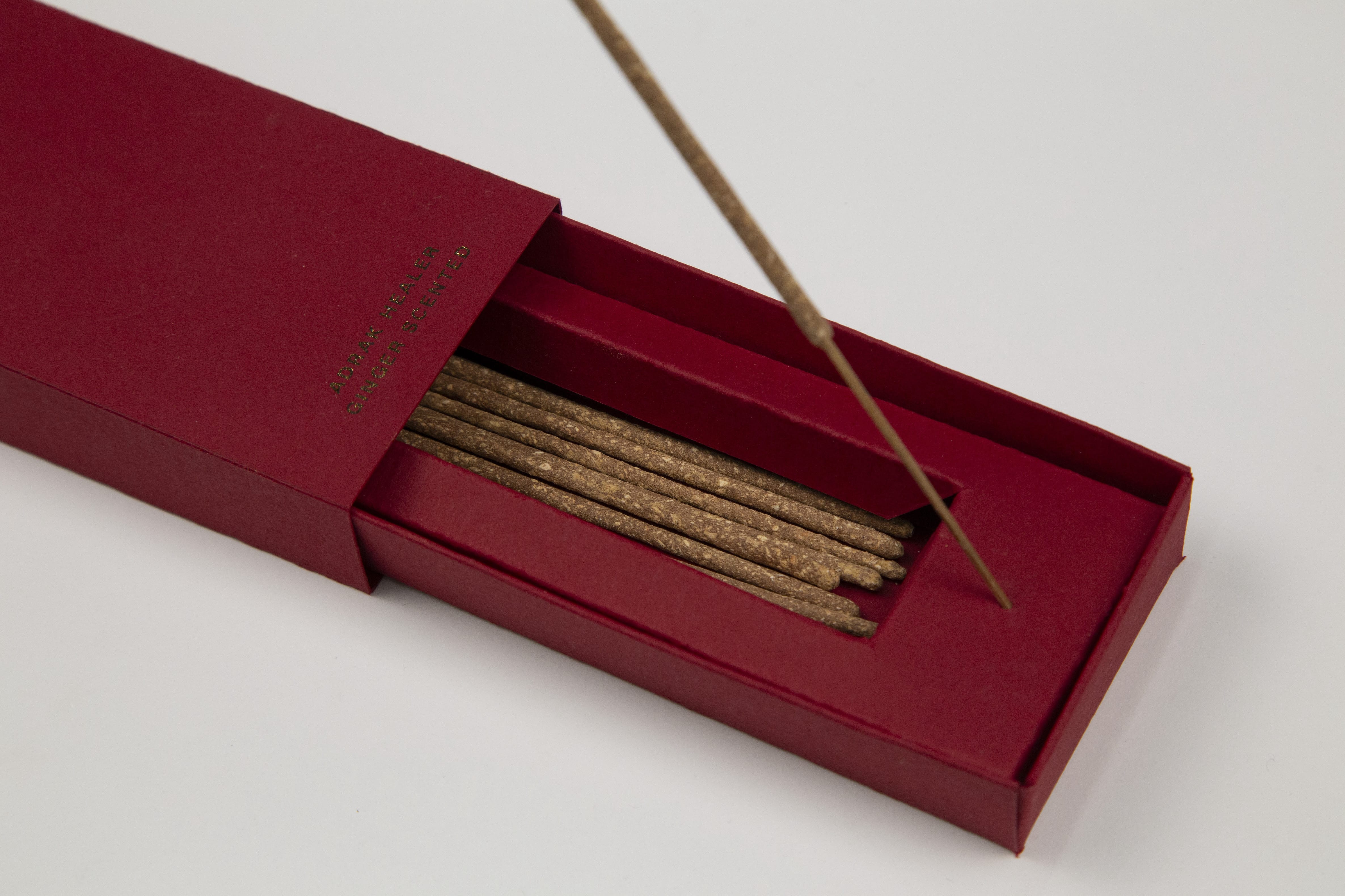
Figure 10: Personally designed incense and packaging (Basra, 2025)
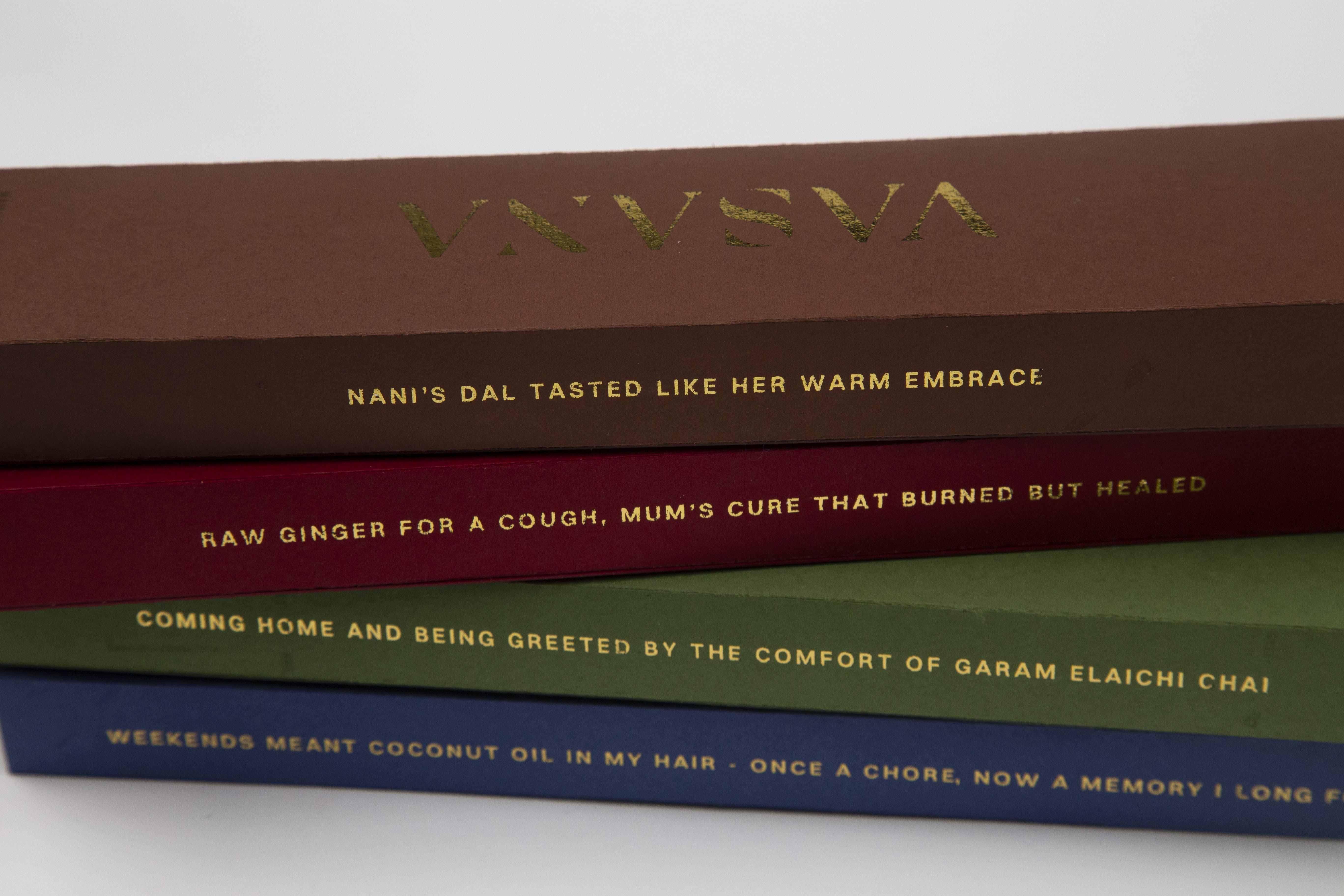
Figure 11: Personally designed incense and packaging (Basra, 2025)
The process of creating the incense was integral to their conceptual framework, ensuring the final outcome reflected cultural authenticity whilst also being functioning material. Initial explorations proved that essential oils would offer accurate fragrances however, I opted for the natural powdered form of each scent to preserve their integrity. This decision reinforced the connection to South Asian home environments by being easily accessible and directly authentic. Combining the powdered fragrance, joss powder and water to form the incense, already reflected the power of scent as the room became encapsulated in the aromas, as if I sat with a warm cup of chai or a homely meal was being cooked. This process reinforced my exploration of how scent can transcend its abstract concept, by becoming a tangible medium to embody the idea of cultural identity.
Expanding the narrative involved developing a visual identity that reflected the cultural and emotional depth of the scents. Drawing from South Asian aesthetics, I used earthy tones directly drawn from the essence of each ingredient, such as the earthy brown of cumin and warm orange of ginger. Gold lettering was also incorporated, referencing its strong significance in South Asian culture, where it signifies good fortune and well-being (Sundari Studios, 2024). These visual components were carefully selected to complement the olfactory experience, creating cohesivity across all aspects of the outcome. I also aligned my approach with the influences of Sissel Tolaas, whose work transforms scent into an immersive medium that evokes emotional responses, and Sanvir Chana who incorporates sensory memories through visual storytelling. By widening my research, I was able to ensure that my outcome engaged the correct audience and properly conveyed the ability of scent in communicating the idea of home for those in the diaspora.
Through this practice-based inquiry, I was able to examine first-hand how scent can operate as a personal archive. Where specific scents can encapsulate the intangible concept navigating identity within the diaspora. Forming these incense sticks and creating a sensory product, helped me in understanding the feeling of being connected or distant from your culture. The physicality of the incense offers a medium to preserve the intangible elements of home. By integrating theoretical understanding with creative experimentation, I found that scent can in fact be used as bridge that provides a connection to memory and home for South Asian migrants.
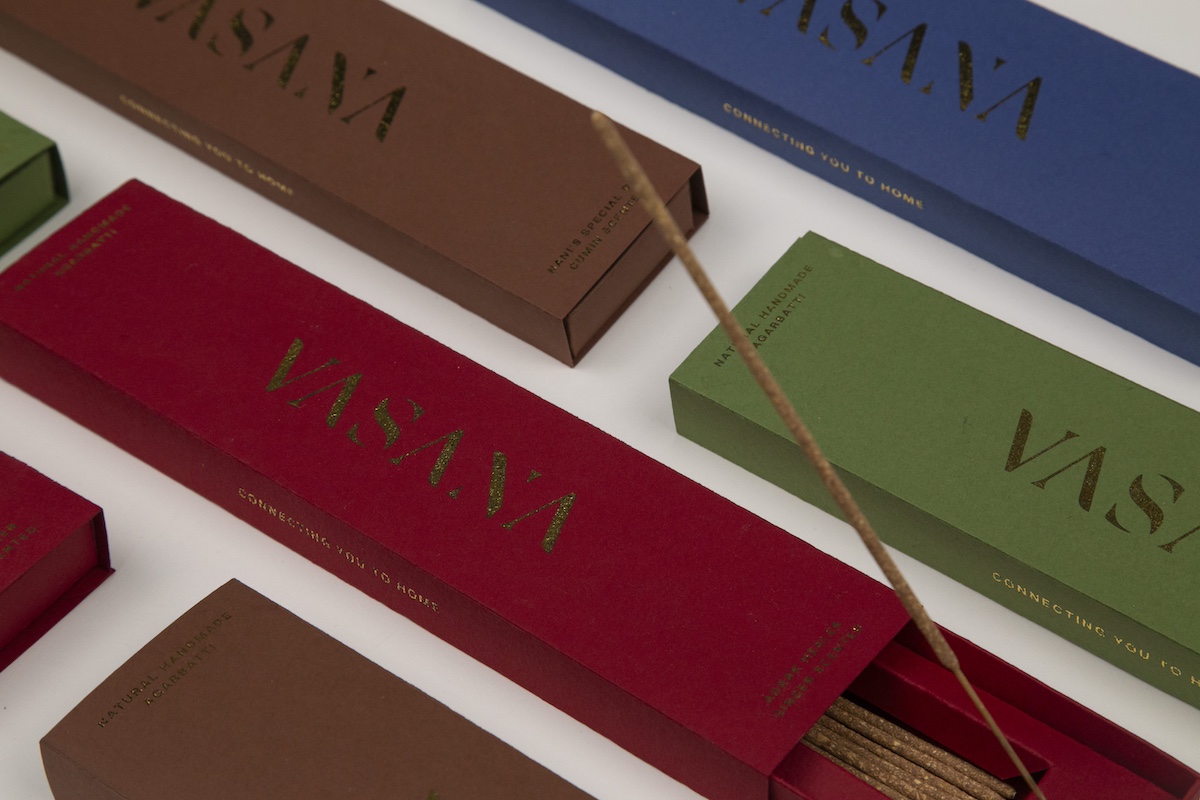
Figure 12: Personally designed incense and packaging (Basra, 2025)
Conclusion
This article set out to explore how scent provides a connection to memory, focusing on South Asian migrants and their relationship to home. Through combining theoretical insights with creative practice, this research examined the unique connection between cultural preservation, identity and olfactory memory.
Within the first chapter, scientific foundations were explored, which highlighted the relationship between scent and the brain's emotional and memory processing centres. Concepts like the Proust phenomenon and Anton Ego's sensory experience in 'Ratatouille', accentuate how scent's connection to memory is already a well-defined notion. Establishing that odours do in fact have the ability to trigger personal and nostalgic responses, particularly over any other sense. The second chapter explored the lived experiences of South Asian migrants, emphasising the significance of smell in preserving a sense of home. Scents associated with food and rituals emerged as prominent vessels in helping migrants maintain their connection to their homeland, while navigating life in a foreign environment. Conversations with artist Sanvir Chana also supported the idea that scent can evoke highly personal memories and emotions, reinforcing its role as an intangible bridge to cultural identity. Building on these insights, the third chapter transitioned into the creative realm, demonstrating how scent can be used as an artistic medium to convey certain emotions. Through my own personal exploration and the works of other artists, it became evident that scent could be harnessed to create emotional and personal connections, both passively and through a physical medium.
Reflecting on the initial objectives, this research has demonstrated how scent goes far beyond a sensory experience. It has the powerful ability to assist individuals in navigating their identity and belonging. For South Asian migrants, familiar scents can in fact act as anchors to cultural memory, preserving the intangible aspects of home that are otherwise easily lost. This project also opened avenues for further exploration, such as examining the role of scent in other cultural contexts or how it can support mental well-being - an area briefly covered in the second chapter. Whether through multisensory installations or practical products, scent remains a largely untapped medium, one that the industry and artists have only scratched the surface of. On a personal level, this exploration has also deepened my understanding of how sensory experiences contribute to shaping our identities. By translating this research into a tangible product, I have come to understand the profound importance of maintaining a connection to heritage and how it can contribute to wider conversations around migration and diaspora. Ultimately, while scent is often overlooked, it holds immense power in shaping our memories, emotions and understanding of identity. It not only links the past but, can also help shape our present and future, as through cultural mediums it can be passed on to later generations. For South Asian migrants, it is clear that scent goes beyond a sensory experience and does create a vital intangible connection to home.
BIBLIOGRAPHY
Artchive, 2024. The Sense of Smell (1618) by Jan Brueghel the Elder. [Online] Available at: https://www.artchive.com/artwork/the-sense-of-smell-jan-brueghel-the-elder-1618/ [Accessed 30 December 2024].
Astrup Fearnley Museet, 2021. Sissel Tolaas RE___._ [Online] Available at: https://www.afmuseet.no/en/exhibitions/sissel-tolaas-re_\_**\_**\_/ [Accessed 22 January 2025].
Basra, N., 2025. Personally designed incense and packaging. London: s.n.
Bechara, A. et al., 1995. Double dissociation of conditioning and declarative knowledge relative to the amygdala and hippocampus in humans. [Online] Available at: https://pubmed.ncbi.nlm.nih.gov/7652558/ [Accessed 7 December 2024].
Cambridge Dictionary, n.d. Acculturation. [Online] Available at: https://dictionary.cambridge.org/dictionary/english/acculturation [Accessed 8 December 2024].
Chana, S. S. (2025, January 1). (N. Basra, Interviewer)
Cherry, K., 2022. What is the Hippocampus?. [Online] Available at: https://www.verywellmind.com/what-is-the-hippocampus-2795231 [Accessed 7 December 2024].
Cleaveland Clinic, 2023. Amygdala. [Online] Available at: https://my.clevelandclinic.org/health/body/24894-amygdala [Accessed 22 January 2025].
Drew, C., 2023. 25 Short-Term Memory Examples. [Online] Available at: https://helpfulprofessor.com/short-term-memory-examples/ [Accessed December 7 2024].
Drew, C., 2023. 75 Long-Term Memory Examples. [Online] Available at: https://helpfulprofessor.com/long-term-memory-examples/ [Accessed 7 December 2024].
Greenwood, M., 2023. Implicit vs. Explicit Memories. [Online] Available at: https://www.news-medical.net/health/Implicit-vs-Explicit-Memories.aspx#:~:text=Implicit memory is also known,bring that memory into awareness. [Accessed 7 December 2024].
Harvard Health Publishing, 2022. Memory. [Online] Available at: https://www.health.harvard.edu/topics/memory [Accessed 7 December 2024].
Harvard Museum of Natural History, 2020. Olfaction in Science and Society. [Online] Available at: https://www.youtube.com/watch?v=J-LQoqBQ8T4 [Accessed 17 November 2024].
HEM Incense, 2025. [Online] Available at: https://www.hemincense.com [Accessed 22 January 2025].
Herz, R. S., 2016. The Role of Odor-Evoked Memory in Psychological and Physiological Health. [Online] Available at: https://pmc.ncbi.nlm.nih.gov/articles/PMC5039451/#:~:text=The primary olfactory cortex includes,activates the amydala-hippocampal complex. [Accessed 12 November 2024].
Ives, S., 2022. What the Anthropology of Smell Reveals About Humanity. [Online] Available at: https://www.sapiens.org/biology/anthropology-of-smell/ [Accessed 8 December 2024].
Jawabri, K. H. & Cascella, M., 2023. Physiology, Explicit Memory. [Online] Available at: https://www.ncbi.nlm.nih.gov/books/NBK554551/#:~:text=In other words%2C the explicit,Semantic memory [Accessed 7 December 2024].
Lally, R., 2017. Rutgers University. [Online] Available at: https://www.rutgers.edu/news/human-sense-smell-its-stronger-we-think#:~:text=Humans can detect about one,sense of smell as animals. [Accessed 6 December 2024].
Landis, B. N. et al., 2005. Differences Between Orthonasal and Retronasal Olfactory Functions in Patients With Loss of the Sense of Smell. [Online] Available at: https://jamanetwork.com/journals/jamaotolaryngology/fullarticle/649745#:~:text=Retronasal olfaction is the perception,olfaction%2C which occurs during sniffing.&text=The retronasal olfactory pathway%2C which,with the sense of [Accessed 6 December 2024].
Lanska, D. J., 2024. Presbyosmia. [Online] Available at: https://www.medlink.com/articles/presbyosmia#:~:text=Presbyosmia (literally "elderly olfaction",people as they grow older. [Accessed 6 December 2024].
Laura, 2018. Smell and Memories. [Online] Available at: https://blogs.ncl.ac.uk/stem/2018/04/17/smell-and-memories/ [Accessed 17 November 2024].
Li, L., 2020. Dual Identity as Immigrants. [Online] Available at: https://medium.com/writing-150-fall-2020/dual-identity-as-immigrants-d866617563f [Accessed 8 December 2024].
Mallet, W., 2024. Sissel Tolaas The Certified Expert Of All Things Smell Is On A Quest To Sharpen Your Fifth Sense. PIN-UP, Issue 36.
Metz, S., n.d. In the Studio. [Online] Available at: https://www.collectorsagenda.com/in-the-studio/sissel-tolaas [Accessed 18 January 2025].
Morris, A., 2024. Comprehensive Guide to the British Nationality Act 1948. [Online] Available at: https://www.davidsonmorris.com/british-nationality-act-1948/#elementor-toc_\_heading-anchor-0 [Accessed 8 December 2024].
Murphy, A., n.d. Asia Society. [Online] Available at: https://asiasociety.org/education/ramayana [Accessed 17 November 2024].
Museo Nacional Del Prado, 2022. The Museo del Prado extends the exhibition The Essence of a Painting. An Olfactory Exhibtion. [Online] Available at: https://www.museodelprado.es/en/whats-on/new/the-museo-del-prado-extends-the-exhibition-the/f93c012d-053e-5118-c97a-a7bd4b706385#:~:text=With this aim in mind,of Smell%2C part of the [Accessed 30 December 2024].
Museo Nacional Del Prado, n.d. The Sense of Smell. [Online] Available at: https://www.museodelprado.es/en/the-collection/art-work/the-sense-of-smell/adff981e-a317-4152-9e04-05ada13be226 [Accessed 22 January 2025].
OVR Technology, 2024. [Online] Available at: https://ovrtechnology.com [Accessed 31 December 2024].
Oxford Learner's Dictionaries, n.d. Definition of smell noun from the Oxford Advanced American Dictionary. [Online] Available at: https://www.oxfordlearnersdictionaries.com/definition/american_english/smell_2 [Accessed 6 December 2024].
Palivela, A., 2023. ScienceABC. [Online] Available at: https://www.scienceabc.com/humans/how-does-your-sense-of-smell-work.html [Accessed 6 December 2024].
Prado, M. N. D., 2022. The Museo del Prado extends the exhibition The Essence of a Painting. An Olfactory Exhibtion. [Online] Available at: https://www.museodelprado.es/en/whats-on/new/the-museo-del-prado-extends-the-exhibition-the/f93c012d-053e-5118-c97a-a7bd4b706385 [Accessed 22 January 2025].
Ratatouille. 2007. [Film] Directed by Brad Bird. United States: Pixar Animation Studios.
Rimkute, J., Moraes, C. & Ferreira, C., 2015. The Effects of Scent on Consumer Behaviour, s.l.: International Journal of Consumer Studies.
Ringrose, I., 2021. Britain's colonial soldiers-made to die for empire. [Online] Available at: https://socialistworker.co.uk/in-depth/britains-colonial-soldiers-made-to-die-for-empire/ [Accessed 22 January 2025].
Sammut, R., 2024. From Struggles to Solidarity: The role of South Asian workers in shaping British labour history. [Online] Available at: https://london.unison.org.uk/2024/08/16/sahm-from-struggles-to-solidarity/ [Accessed 8 December 2024].
Sato-Akuhara, N. et al., 2023. Chemical Senses. [Online] Available at: https://academic.oup.com/chemse/article/doi/10.1093/chemse/bjac037/6980822# [Accessed 6 December 2024].
Shea, M., 2022. A two-way street: Immigrants' mental health challenges, resilience, and contributions. [Online] Available at: https://www.cell.com/one-earth/fulltext/S2590-3322(22)00377-3?\_returnURL=https%3A%2F%2Flinkinghub.elsevier.com%2Fretrieve%2Fpii%2FS2590332222003773%3Fshowall%3Dtrue [Accessed 8 December 2024].
Shulman, D., 2006. The Scent of Memory in Hindu South India. In: J. Drobnick, ed. The Smell Culture Reader. Oxford: Berg, pp. 411-426.
Sundari Studios, 2024. The Enduring Legacy of Gold in South Asian Culture. [Online] Available at: https://sundari-studios.com/blogs/blog/the-enduring-legacy-of-gold-in-south-asian-culture#:~:text=The tradition of gold in,our gold plated bestsellers here. [Accessed 18 January 2025].
Terada, E., 2022. OVR Technology CEO Aaron Wisniewski Interview on "The Power of Scent". [Online] Available at: https://www.freshconsulting.com/insights/blog/ovr-technology-ceo-aaron-wisniewski-interview-on-the-power-of-scent/ [Accessed 30 December 2024].
The Chanadan Inc., 2025. About. [Online] Available at: https://thechandan.co/#about [Accessed 18 January 2025].
The Delhi Brasserie, n.d. [Online]
Available at: https://delhibrasserie.com/uniqueness-of-indian-cuisine-in-london/
[Accessed 22 January 2025].
Too Brown For the Crown (Nowhere Man). 2024. [Film] Directed by Sanvir Singh Chana. s.l.: The Chandan Inc..
Venkataraman, V., 2021. Aromas of Indian Cuisine: The Heart of Indian Cooking. [Online] Available at: https://www.csp.indica.in/aromas-of-indian-cuisine-the-heart-of-indian-cooking/#:~:text=Whole spices such as fenugreek,of the dish as well. [Accessed 18 January 2025].
Vermeulen, T., 2021. Sissel Tolaas and the Politics of Smell. [Online] Available at: https://www.frieze.com/article/sissel-tolaas-re-2021-review [Accessed 18 January 2025].
Walsh, C., 2020. What the Nose Knows. [Online] Available at: https://news.harvard.edu/gazette/story/2020/02/how-scent-emotion-and-memory-are-intertwined-and-exploited/ [Accessed 17 November 2024].
Wolpert, S. A., 2024. Britannica. [Online] Available at: https://www.britannica.com/event/British-raj [Accessed 8 December 2024].
Yadav, V. K. et al., 2020. Incense and Incense Sticks: Types, Components, Origin and Their Religious Beliefs and Importance Among Different Religions. [Online] Available at: https://jbino.com/docs/Issue06_28_2020.pdf [Accessed 30 December 2024].
YouTube, 2020. Role of the Hippocampus and Amygdala in Memory. [Online] Available at: https://www.youtube.com/watch?v=V91KET8Y0Nw [Accessed 7 December 2024].